Artemis
Play Artemis
Artemis Screenshots

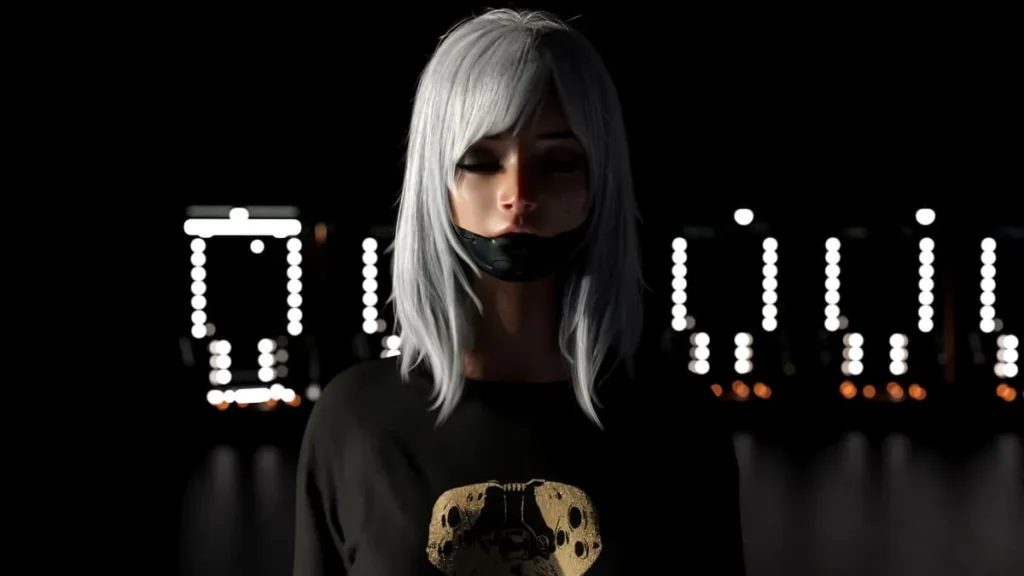
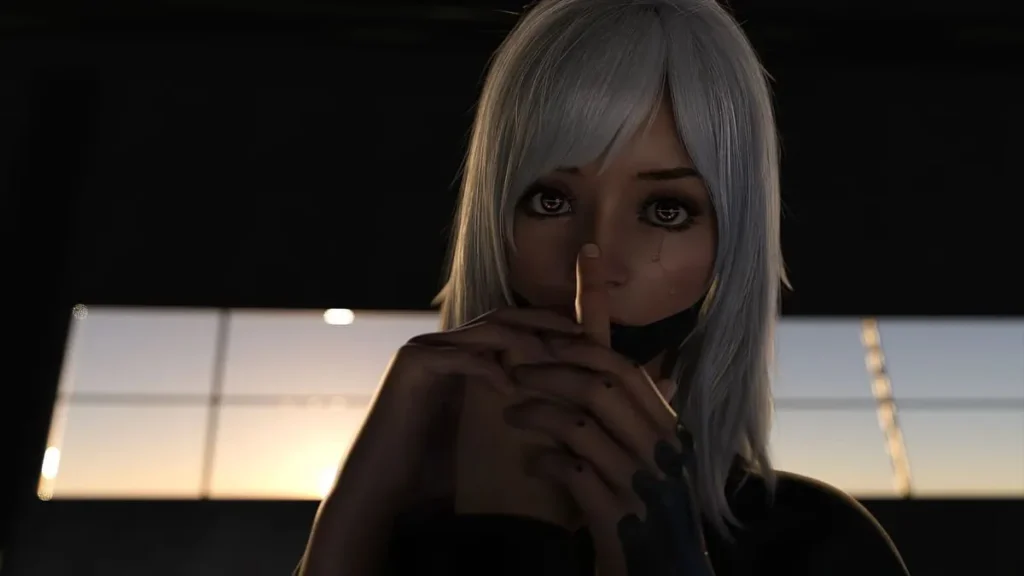
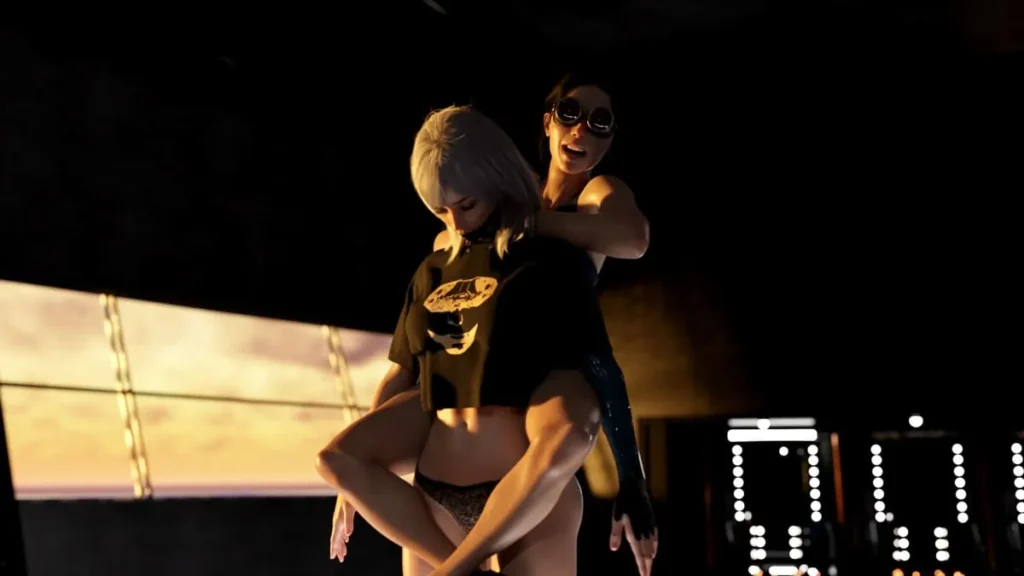


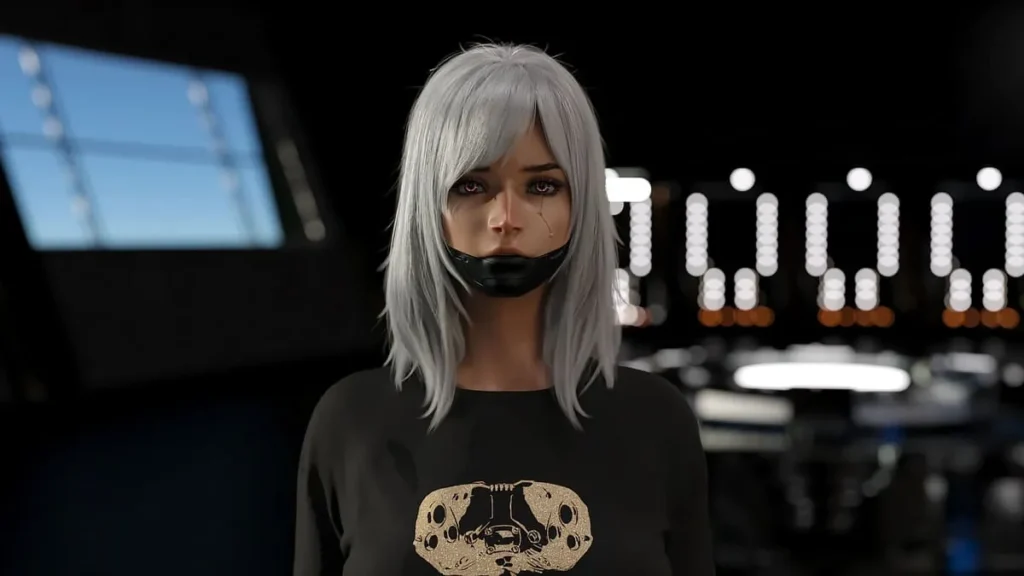

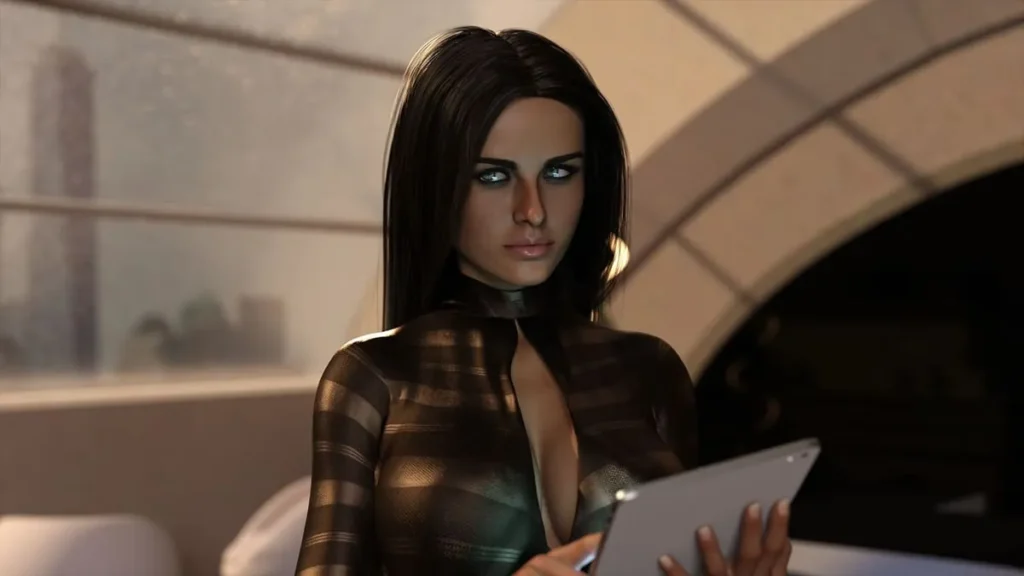
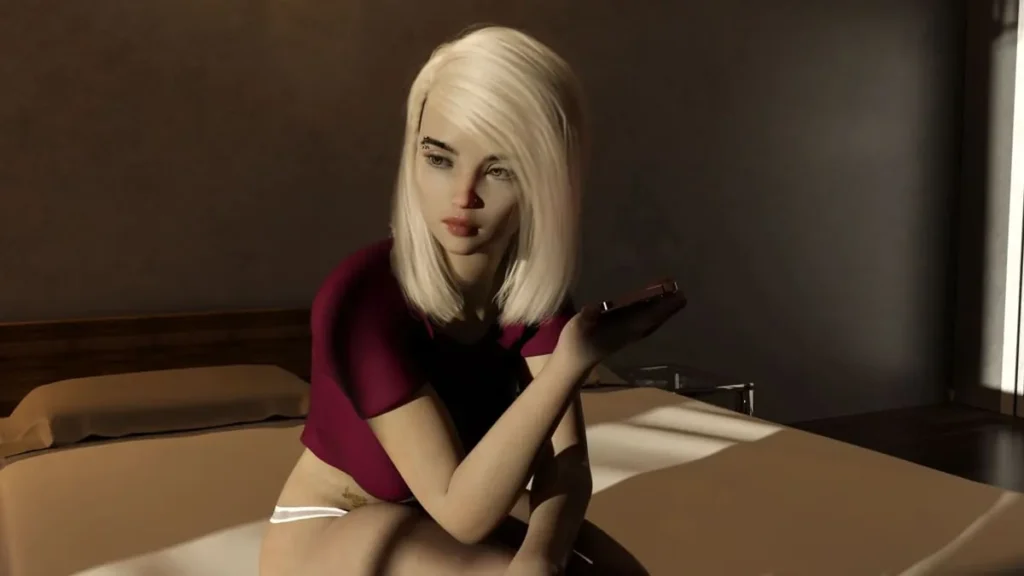

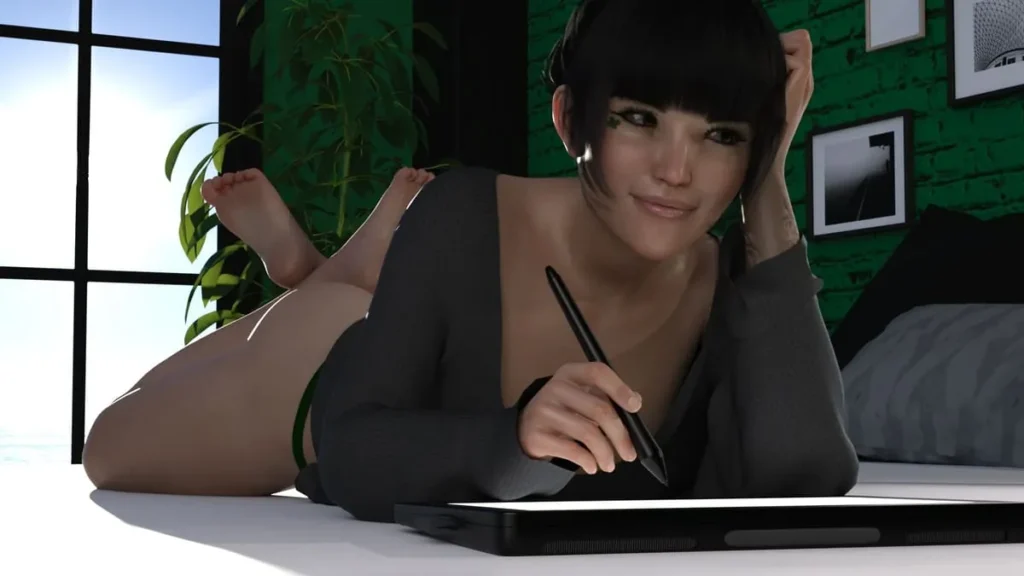




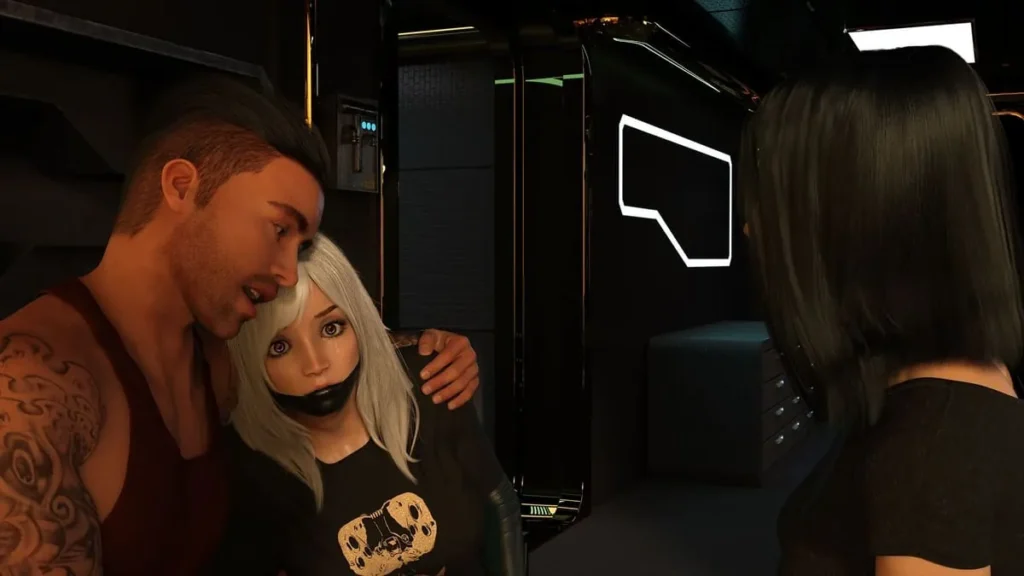

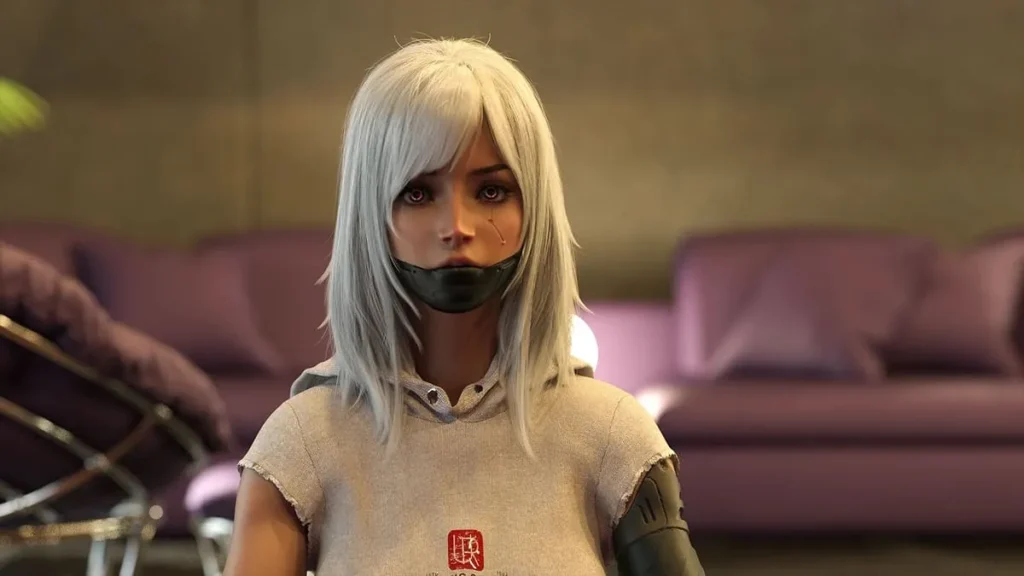
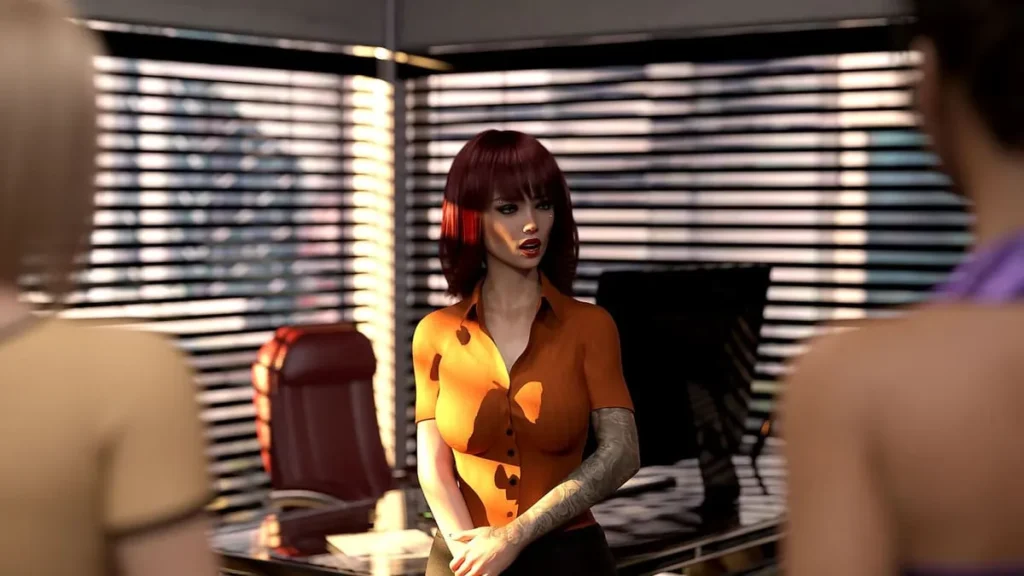
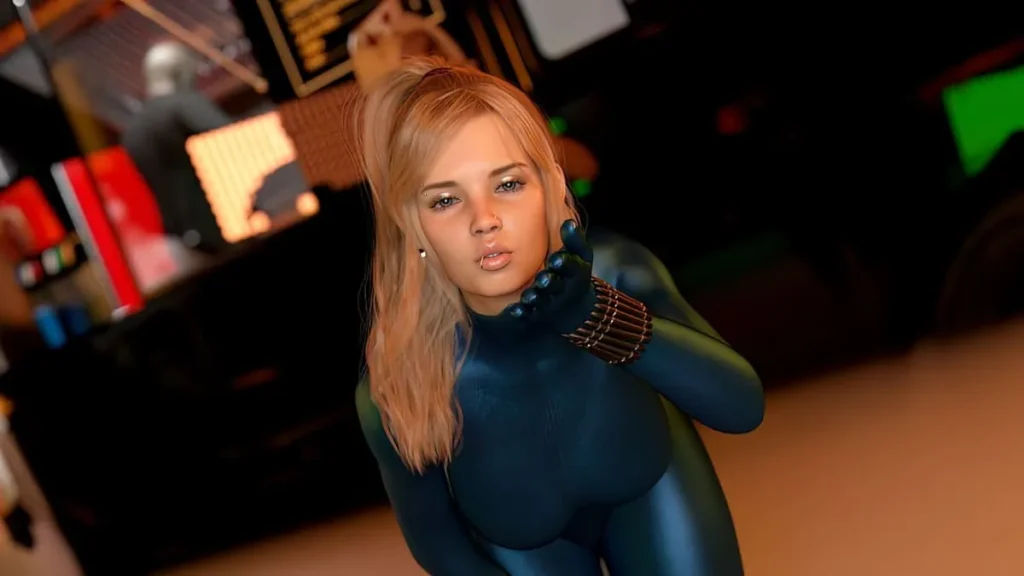



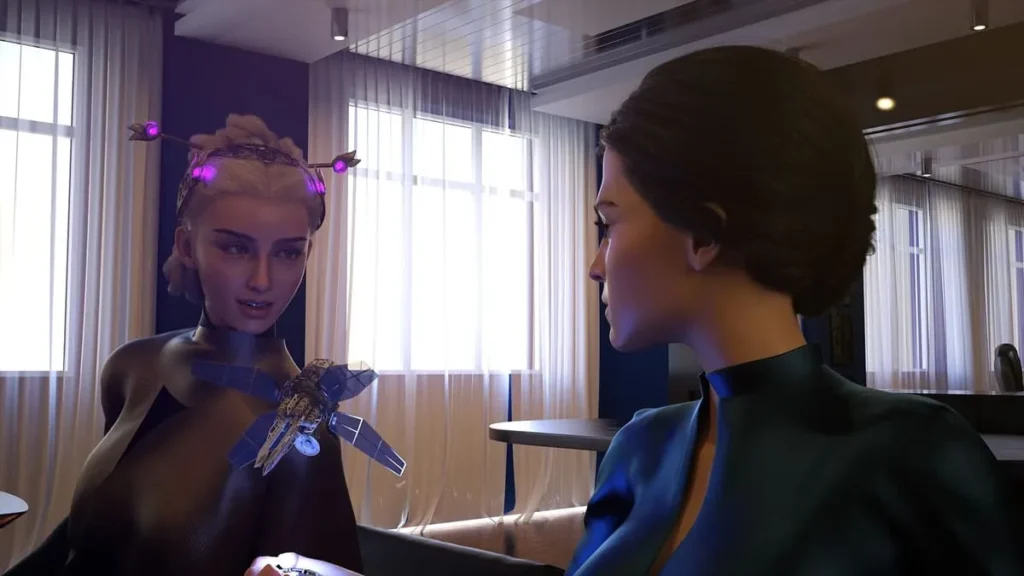


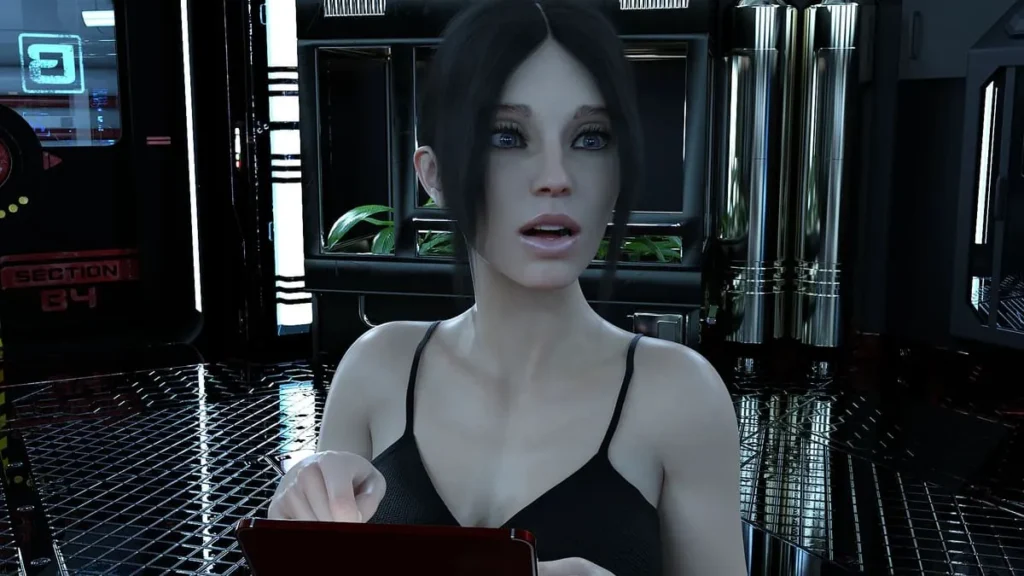

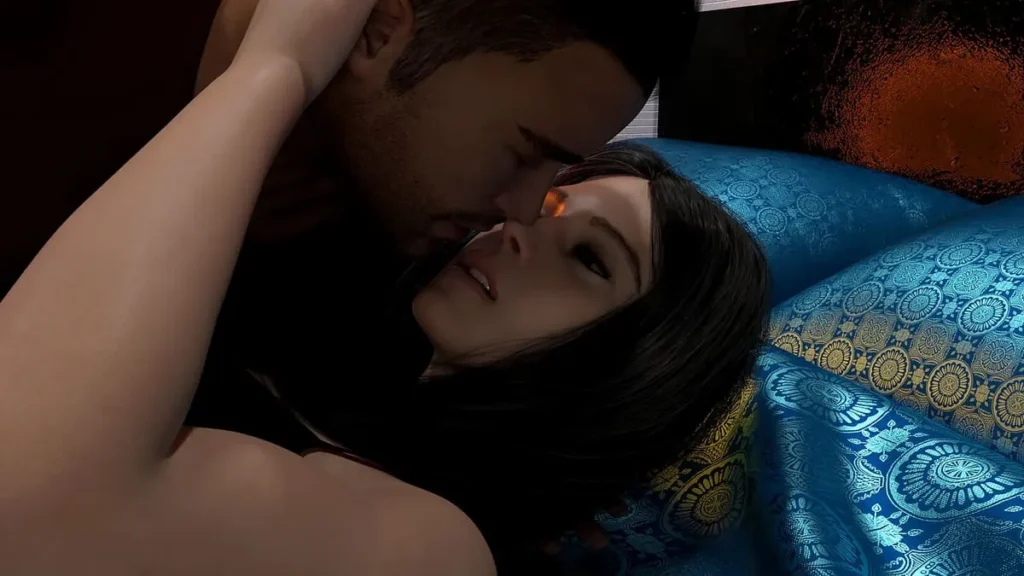

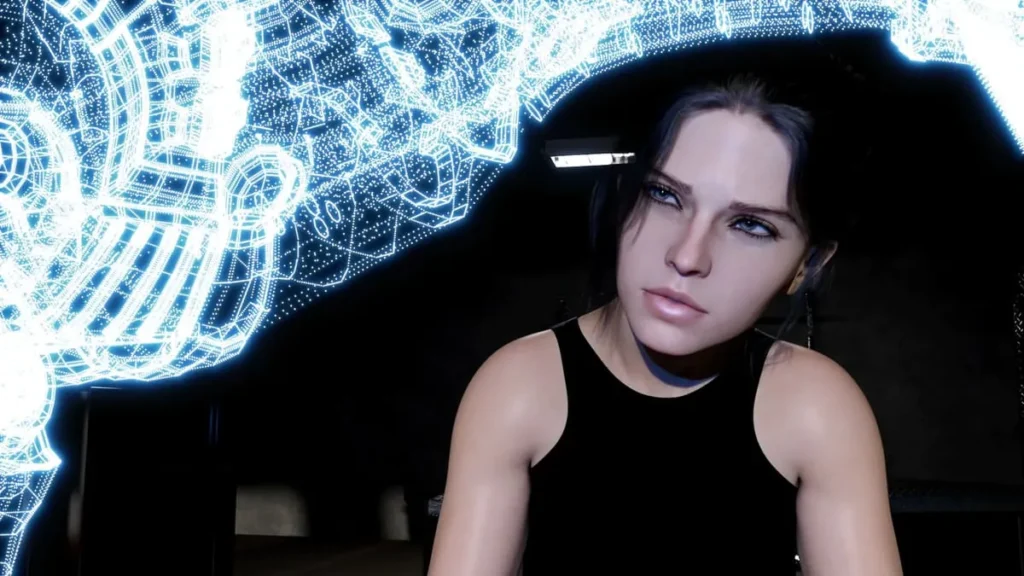

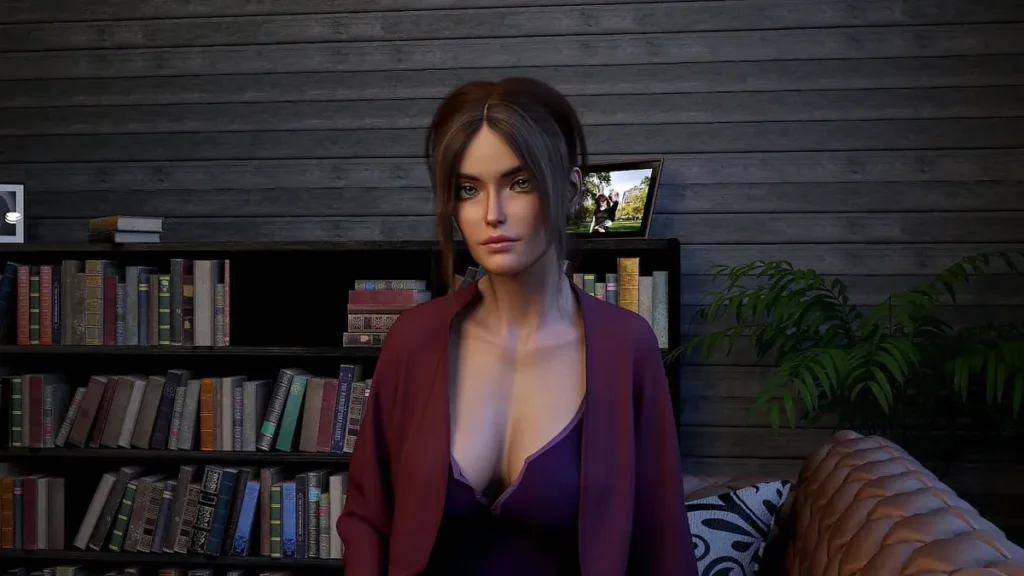
Artemis review
A hands-on guide to playing, customizing, and understanding Artemis
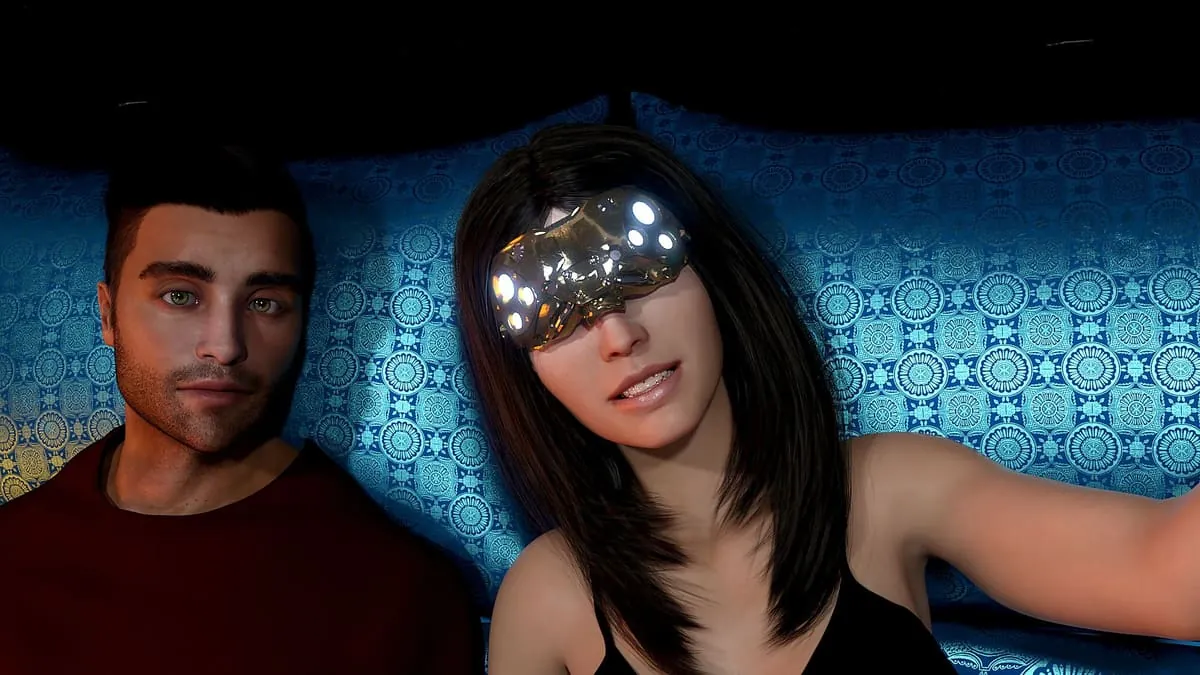
Artemis is an adult visual novel that blends branching narrative choices, character progression, and player-driven customization to create a highly replayable experience centered on mature themes. In this article I walk you through first impressions, installation, core systems, and tips I learned while playing Artemis myself, so you can get the most out of the game whether you’re just curious or ready to dive deep. Expect actionable setup steps, personalization advice, and honest opinions on what makes Artemis stand out in its genre.
Getting Started with Artemis
So, you’ve decided to dive into the world of Artemis. 🎮 Awesome choice! I remember the first time I downloaded it—equal parts excitement and that slight tech-anxiety of “please, just work.” Getting started with any new visual novel, especially one as deep as this, can feel a bit daunting. But don’t worry, I’ve been there, and this hands-on guide will walk you through every single step, from clicking ‘download’ to tweaking the perfect settings for your adventure.
Let’s get your journey started on the right foot. This Artemis install guide is designed to be your friendly, no-jargon companion.
How to install and launch Artemis
First things first: where do you get it? Artemis is available through its official storefront. Always get it from the official source to ensure you have the latest, cleanest version and support the developers directly. The process is pretty standard, but I’ll hold your hand through it. ✋
Here’s your step-by-step Artemis install guide:
- Purchase & Download: Head to the official store page for Artemis, complete your purchase, and hit the big download button. The game client/installer will land in your designated ‘Downloads’ folder.
- Run the Installer: Find the downloaded file (it’ll usually be an
.exeon Windows or a.dmgon Mac). Double-click it to start. You might see a security prompt—this is normal for downloaded programs. Just confirm you want to run it. - Follow the Prompts: The installer will guide you. The most important step is choosing your installation directory. I recommend leaving it as the default (often
C:\Program Files\orC:\Program Files (x86)\on Windows) unless you have a specific drive for games. Click ‘Next’ and ‘Install’ until it’s done.
Pro Tip: If you’re short on space on your C: drive, install it to another drive during this step. Just make sure the path doesn’t have any weird symbols or emojis—stick to letters and numbers for maximum compatibility.
Once installed, how to launch Artemis is a breeze. You’ll typically find a shortcut on your desktop. Double-click that beautiful icon! If you can’t find it, you can search for “Artemis” in your system’s start menu or application finder.
Sometimes, the first launch might need a moment to set itself up. A launcher or configuration window might pop up first. This is where you can check for updates or verify files. Speaking of which, if the game ever acts strangely, verifying the integrity of your game files is your first line of defense. In the launcher, look for a “Verify” or “Repair” option. This checks that all the game’s pieces are present and correct, fixing any corrupted downloads. It saved me hours of frustration once when a background update went sideways!
System requirements and recommended settings
Before we get lost in the story, let’s make sure your PC is ready for the ride. Nothing kills a mood faster than choppy animations or endless loading screens. Here’s the essential Artemis system requirements breakdown, plus my personal recommendations for buttery-smooth performance.
I’ve put together a clear table so you can see exactly what you need:
| Component | Minimum Requirements | Recommended Settings |
|---|---|---|
| OS | Windows 10 (64-bit) | Windows 10/11 (64-bit) |
| CPU | Intel Core i3 or equivalent | Intel Core i5 / AMD Ryzen 5 or better |
| RAM | 4 GB | 8 GB or more |
| GPU | Integrated graphics (OpenGL 3.3 support) | Dedicated GPU (NVIDIA GTX 900 series / AMD Radeon RX 400 series or newer) |
| Storage | 10 GB available space | 15-20 GB available space (SSD strongly recommended) |
Now, what does this mean for you? 🤔 If you meet the minimum Artemis system requirements, the game will run. But for the full, beautiful experience—with crisp visuals, quick transitions, and no hiccups during more complex scenes—aim for the recommended specs.
The single biggest upgrade you can make? Installing Artemis on an SSD (Solid State Drive). I can’t stress this enough. My first playthrough was on an older hard drive, and scene transitions felt like waiting for a kettle to boil. After moving the game to my SSD, load times were cut by more than half! It makes the experience so much more immersive.
For your GPU, a dedicated card will handle the game’s art and effects effortlessly. Keep your graphics drivers updated! This is a crucial piece of Artemis troubleshooting that solves many mysterious graphical glitches.
First-time setup: profiles, saves, and preferences
The installer’s done, your PC is ready, and you’ve launched the game. Welcome to the most important part: making Artemis truly yours. This first-time setup is where you lay the foundation for your entire playthrough. Let’s walk through it together.
Creating Your Player Profile
The first screen will likely ask you to create a player profile. This isn’t just a name—it’s your unique identifier. It often ties into your Artemis save files location and in-game choices. Use a name you’ll remember! Some players create separate profiles for different playthroughs (e.g., one for a “kind” route, one for a “rebel” route).
Understanding Artemis Save Files
Saving is your best friend. Artemis typically uses a slot-based system. Here’s my golden rule:
* Use multiple slots. Don’t just keep saving over Slot 1. Use Slot 1 for your main progress, and then use Slots 2, 3, and 4 at key decision points or the start of new chapters.
* Save before major choices. This is visual novel law. You’ll thank yourself later if you want to explore a different path without replaying hours of content.
* Know where they are: Your Artemis save files are usually stored in your user directory (e.g., Documents/My Games/Artemis/Saves). Knowing this is vital for Artemis troubleshooting or if you want to back up a perfect playthrough!
Dialing in Your Artemis Settings
Now, the fun part: the Artemis settings menu. This is your control center. Let’s break down the key tabs:
- Graphics & Display: Start with the preset that matches your system (Low, Medium, High). If you’re on a laptop or want to save battery, enable V-Sync to prevent screen tearing. Adjust resolution to match your monitor’s native setting for the sharpest image.
- Audio: Here you can balance background music (BGM), sound effects (SFX), and crucially, voice acting volumes. I love the voice work in Artemis, so I turn that up and slightly lower the BGM so I don’t miss any line readings.
- Text & Language: Adjust text speed to your reading pace. I prefer it just fast enough to keep momentum but slow enough that I never feel rushed. This is also where you enable auto-advance and set its timing if you want a more hands-off, cinematic experience.
- Gameplay & Content: This is a vital section. Artemis offers robust content warnings and safety filters. You can often toggle specific types of mature content on or off, depending on your preferences. Spend a minute here to tailor the experience to your comfort level. It’s a fantastic feature that puts you in control.
Troubleshooting Your First Steps
Even with the best Artemis install guide, small hiccups can happen. Here’s your quick Artemis troubleshooting checklist for common start-up issues:
- Game won’t launch? Try running the game as an administrator. Right-click the shortcut, select ‘Run as administrator’. This fixes permission errors.
- Black screen or crash on startup? Update your graphics drivers. 90% of the time, this is the fix. Also, ensure you have the latest version of DirectX or Visual C++ Redistributables installed (these are often bundled with the game install).
- Missing DLL errors? The game might be missing a specific system library. A quick web search of the exact .dll file name will usually lead you to a safe, official Microsoft source to download it. Often, verifying your game files (mentioned earlier) will also fix this.
Remember my slow load time anecdote? The one setting that supercharged my game wasn’t even in the graphics menu. It was moving the game to my SSD and ensuring my Windows power plan was set to “High Performance” while playing, preventing my CPU from slowing down. Small tweaks can make a huge difference!
By following this guide, you’re not just installing a game—you’re carefully setting the stage for a personalized, smooth, and deeply engaging experience. Your Artemis adventure is now perfectly configured, saving you from future headaches and letting you focus on what matters: the story. Now go ahead, launch the game, and step into its world. Your journey awaits. 🌌
Artemis offers a rich, choice-driven adult visual novel experience with deep branching, personalization, and an active community that enhances replay value. This guide covered practical setup and installation, core gameplay systems and decision strategies, customization and safe modding practices, privacy and age-aware play tips, and how to connect with the community for support and updates. Try the checklist and replay roadmap provided in this article on your next session, and consider joining a community hub to share saves and discover user-made enhancements.