Play Bad Memories
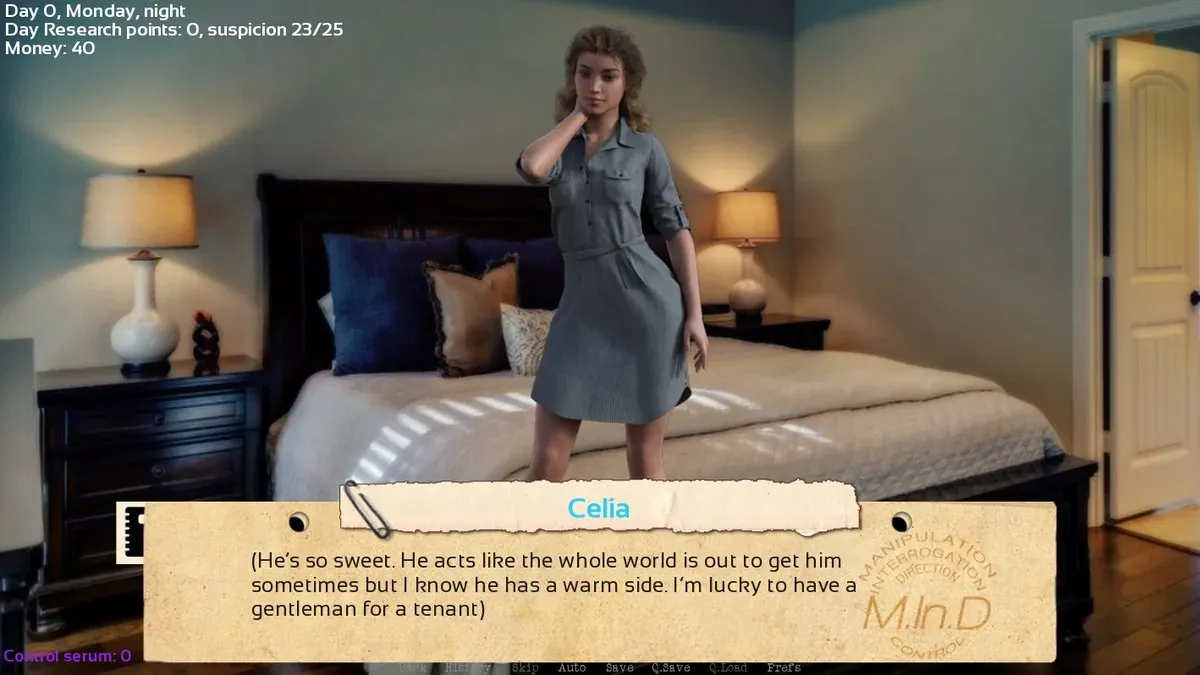
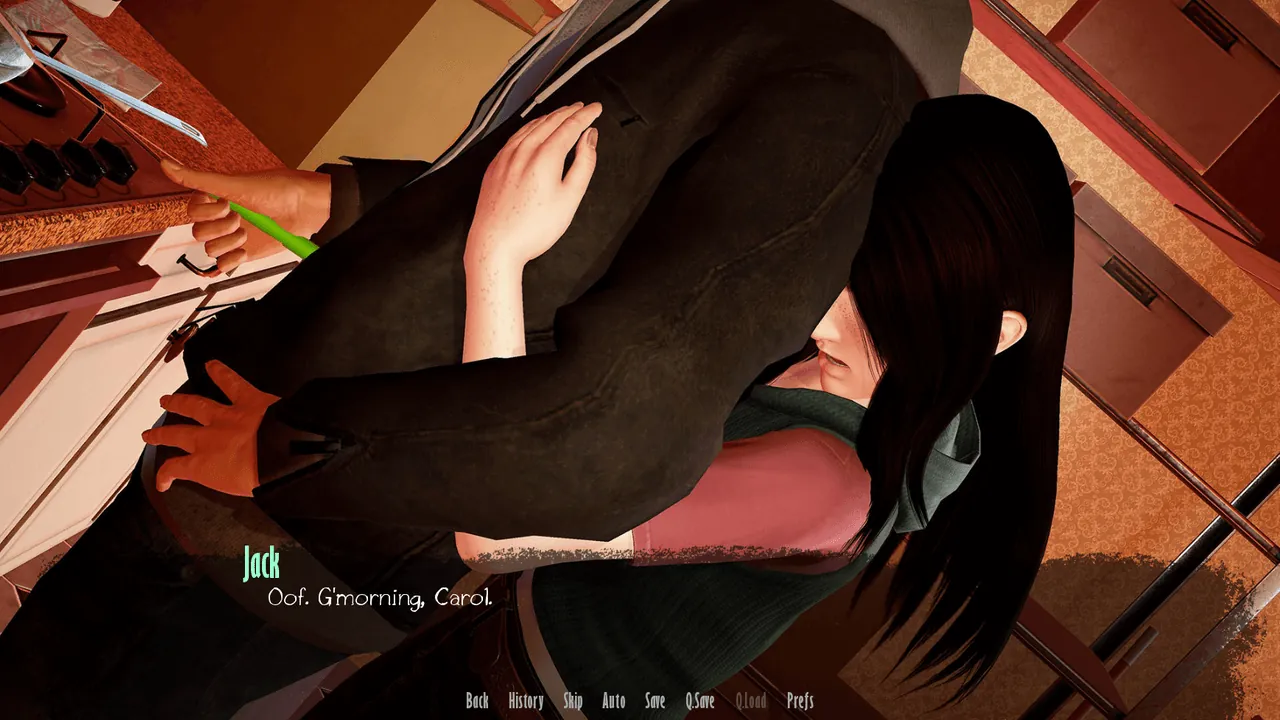
Bad Memories Screenshots

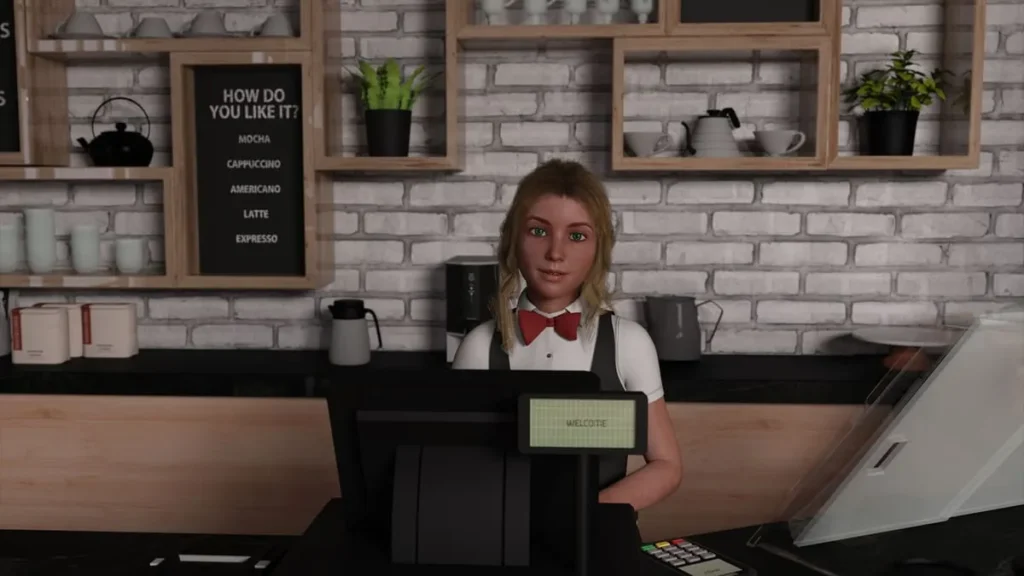






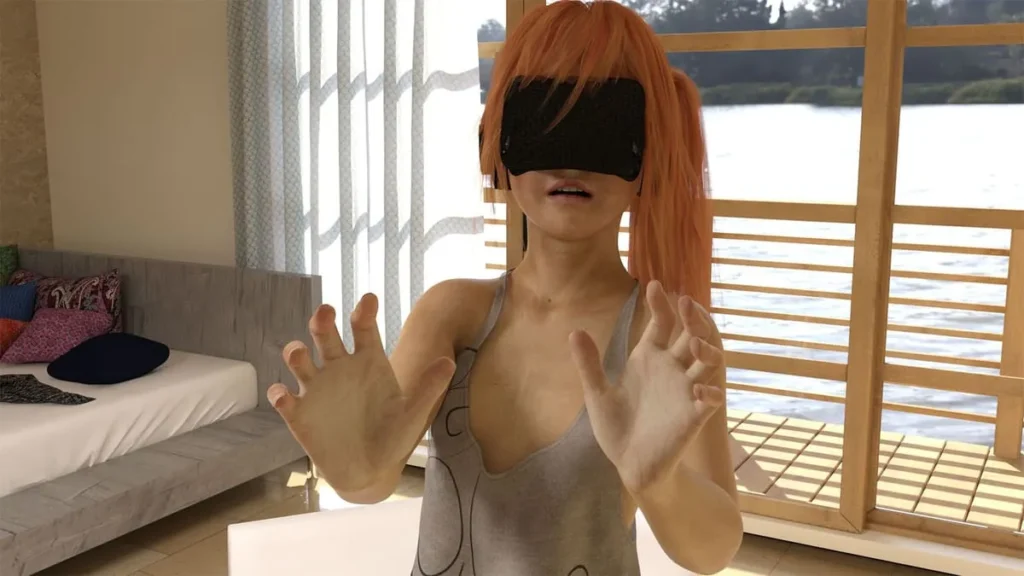
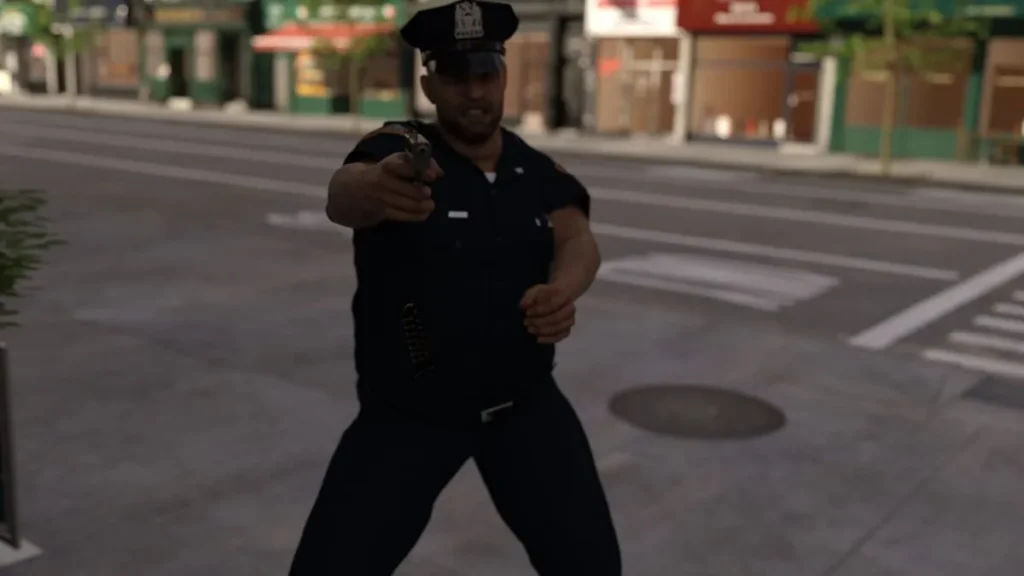







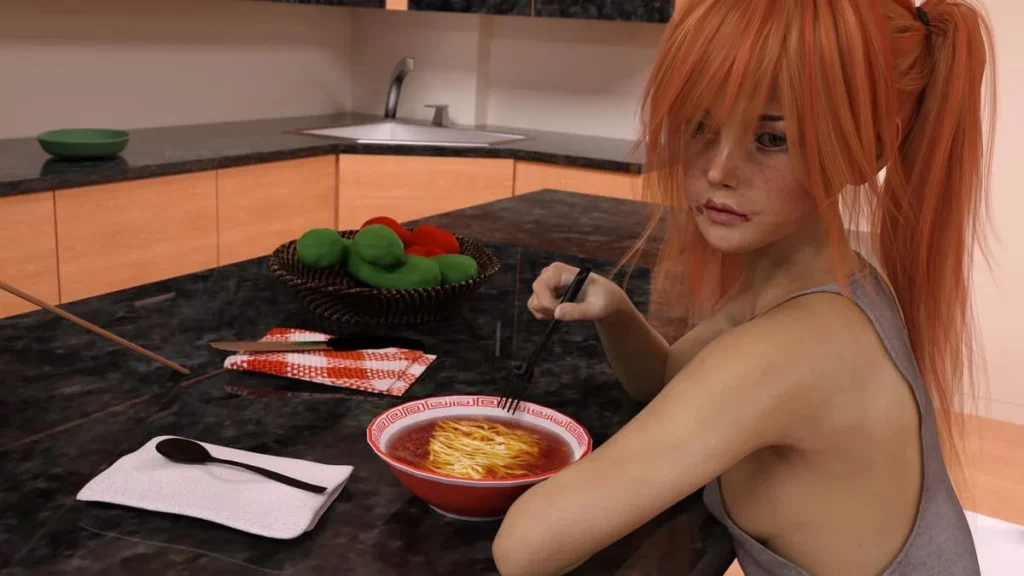


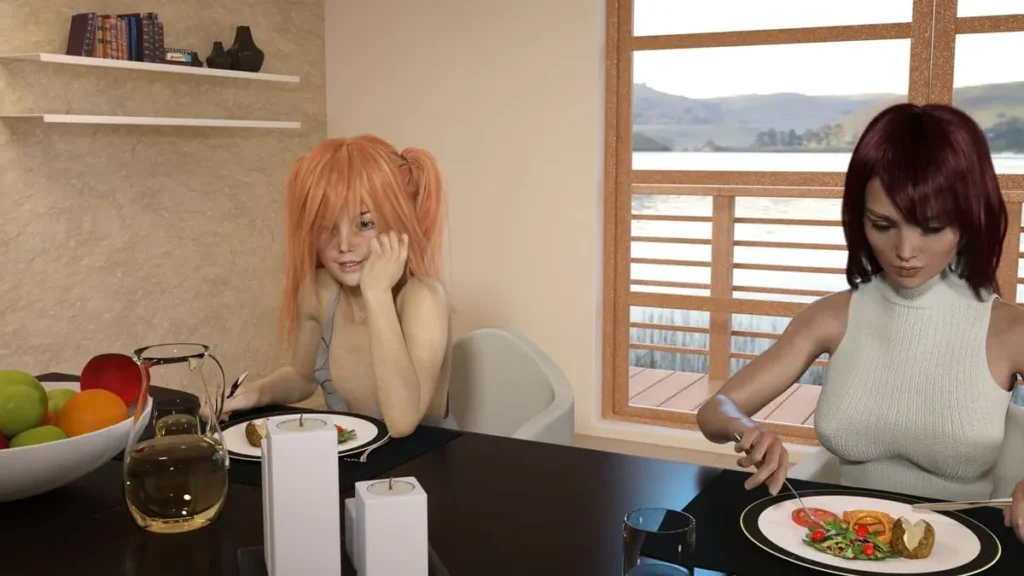

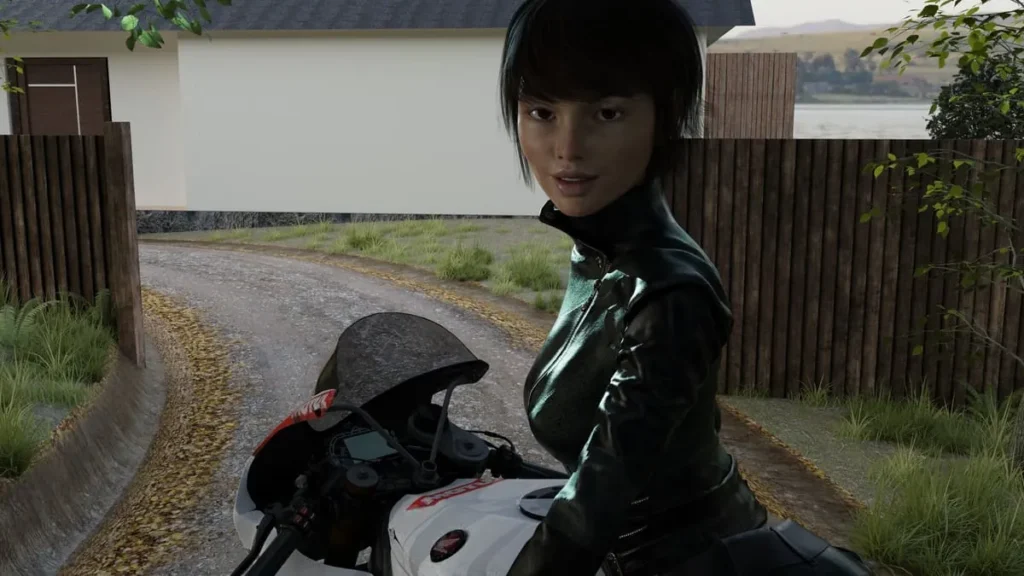

Bad Memories review
Master every choice and storyline in this choice-based visual novel
Bad Memories is a choice-driven visual novel that puts players in control of pivotal story moments, where every decision shapes character relationships and narrative outcomes. This interactive experience challenges players to navigate complex social dynamics, relationship management, and moral dilemmas across multiple days of gameplay. Whether you’re looking to unlock specific scenes, maintain particular relationships, or discover all possible story branches, understanding the mechanics of choice-based gameplay is essential. Our comprehensive guide breaks down every major decision point, relationship path, and consequence so you can experience the game exactly as you envision it.
Understanding Bad Memories: Game Mechanics and Story Structure
So, you’ve clicked ‘New Game’ on Bad Memories, and suddenly you’re staring at a dialogue box with two options. One seems kind, the other a bit snarky. 🤔 Which do you pick? If you’re anything like I was on my first playthrough, you probably chose based on a gut feeling, only to realize hours later that a seemingly innocent remark shut down an entire character’s storyline. Oops. 🙈 That moment of panic—wondering “what did I just do?”—is the heart of this experience. The Bad Memories game mechanics aren’t just window dressing; they are the game. Every click, every silent moment, every word you choose writes a story that is uniquely, and sometimes painfully, yours.
This complete guide is here to be your compass. We’re going to pull back the curtain on the elegant, sometimes ruthless, system that makes this visual novel tick. By understanding the choice-based visual novel gameplay on a deeper level, you move from being a passive reader to the master architect of your own narrative destiny. Let’s dive into the systems that control everything from a shy smile to a life-altering betrayal.
How Choice-Based Gameplay Works in Bad Memories
At its core, Bad Memories is a masterclass in interactive storytelling. Unlike games where choices are mere illusions, here your decisions carry real, tangible weight. The visual novel decision making process is deceptively simple: you read the narrative, and at key moments, you are presented with options. These can be direct pieces of dialogue to say, internal thoughts to focus on, or actions to take. But don’t let the simplicity fool you—this is where the magic happens.
The game operates on a cause-and-effect engine that is constantly running in the background. Think of it like a complex web. 🕸️ Early, seemingly trivial choices can put you on a path that determines which scenes you see, which conversations are available, and ultimately, which endings you unlock. This creates the rich tapestry of Bad Memories story branches. There is no single “true” story; there are dozens of variations, each valid and each revealing a different facet of the characters and the haunting central mystery.
Pro Tip from My Playthrough: I once thought skipping a chance to help a character with a minor task in Day 2 was no big deal. It was. That single “I’m busy” choice locked me out of a crucial moment of vulnerability with them later on, completely changing the emotional payoff of their arc.
The impact is often subtle. A character might remember your kindness and reference it days later, or they might hold onto a casual insult, their demeanor toward you permanently cooled. This is the essence of Bad Memories dialogue choices impact. The game rarely uses a giant “AFFECTION +5” pop-up (though a system like that exists behind the scenes). Instead, it shows you the consequences through altered character behavior, new (or missing) dialogue options, and shifting story contexts.
This design makes every playthrough feel personal and earned. The choice-based visual novel gameplay rewards careful reading and emotional investment. Are you trying to mend broken bonds, or are you here to uncover secrets no matter the personal cost? Your approach will define your journey.
Character Relationships and Affection Systems
This is where Bad Memories truly shines. The Bad Memories relationship system is a nuanced, often fragile ecosystem built on trust, shared moments, and consistent behavior. Each major character—Rachel, Ellie, Hanna, and Jada—has their own personality, history, and emotional baggage. Your interactions either help them carry that load or add to it.
Beneath the surface, the game tracks your standing with each character through a hidden character affection points metric. I call it “affection,” but it’s really a measure of rapport, trust, and closeness. Positive choices that align with a character’s values or needs increase this score. Choices that are dismissive, hostile, or betray their confidence decrease it.
But it’s not just about being nice! 🧠 Sometimes, being authentically you—even if it’s a bit sarcastic—can resonate more with a particular character than empty pleasantries. Ellie, for instance, might appreciate blunt honesty over sugar-coated lies. Learning what each character responds to is key to deepening your connection.
The system is also context-sensitive. Supporting Rachel in a moment of crisis is worth far more than a simple compliment during a calm moment. Major story decisions, especially those involving loyalty or secrets, can cause massive, irreversible shifts in your relationship score, locking or unlocking entire story arcs.
Here’s a breakdown of the core paths and what it takes to walk them:
| Character | Key Path & Requirements | Core Outcome & Branch Type |
|---|---|---|
| Rachel | Prioritize her needs consistently. Be a stabilizing, reliable presence. Avoid gossip or actions she deems reckless. High trust is mandatory. | Unlocks deeply personal, healing-focused endings. Leads to the most “reconciliatory” story branches. |
| Ellie | Engage with her creative side. Be direct and honest, not patronizing. Show independence. Defend her when it counts. | Opens adventurous, emotionally raw conclusions. Story branches often involve confronting the past head-on. |
| Hanna | Demonstrate empathy and patience. Be a good listener. Respect her boundaries but show gentle persistence in support. | Accesses tender, protective narratives. Branches focus on quiet understanding and breaking down walls. |
| Jada | Show confidence and assertiveness. Be intrigued by mystery, not fearful. Prove you can handle difficult truths. | Reveals the most investigative, secret-laden endings. Branches dive into the core mysteries of the story. |
🎯 My Insight: You cannot max out everyone in a single run. The Bad Memories relationship system forces you to role-play. Trying to be everything to everyone often results in being nothing special to anyone, leading to a more neutral, detached ending. Commit to a role!
Timeline Progression: Days and Story Arcs
The structure of Bad Memories is a brilliant pressure cooker. The story unfolds across a tight, sequential timeline, primarily from Day 0 to Day 7. This isn’t just a narrative device; it’s a core part of the Bad Memories game mechanics. Each day represents a contained chapter with its own mood, key events, and crucial decision points. The clock is always ticking, creating a sense of urgency that makes your choices feel even more significant.
- Day 0 – The Reunion: This is your foundation. 👷 Here, you re-establish connections and set the initial tone for every relationship. Your first impressions (or in this case, second impressions) matter immensely. Random events can occur here, like unexpected one-on-one conversations, which are golden opportunities to steer a relationship early on.
- Days 1-3 – Building (or Breaking) Bonds: The core social dynamics are established. You’ll have multiple chances to interact with each character. This is where you solidify your primary alliances through consistent choices. The Bad Memories story branches begin to subtly diverge here based on whose company you seek out and what secrets you choose to share or probe.
- Days 4-5 – The Turning Point: Tensions rise. 😰 The central conflicts of the story come to a head. Major, plot-altering decisions are presented. These are often the “point of no return” choices that will definitively lock you onto a specific character’s path or a particular story outcome. Previous choices now pay off or come back to haunt you.
- Day 6-7 – Consequences and Resolution: The fallout. You live with the results of your decisions. The narrative funnels toward the ending your actions have engineered. The dialogue and scenes you experience are now wildly different depending on the path you’re on.
Understanding this flow is crucial for visual novel decision making. You start with wide-open possibilities, but as the days progress, the branches narrow based on your earlier choices. By Day 5, you are often fully committed to a specific storyline. This structure makes replaying the game so rewarding—you get to go back to Day 1 with new knowledge and steer the ship in a completely different direction.
The beauty of the choice-based visual novel gameplay in Bad Memories is that it respects your intelligence and your emotional investment. It doesn’t guide you with a heavy hand but allows you to discover the consequences of your own nature. Whether you’re seeking forgiveness, truth, romance, or just survival, every choice is a brushstroke on a canvas that only you can complete. Now that you understand the mechanics, you’re ready to not just play the game, but to truly shape it. Happy storytelling
Bad Memories delivers a compelling choice-driven experience where every decision carries weight and consequence. By understanding the game’s relationship systems, day-by-day progression, and character-specific paths, you can craft your unique narrative journey. Whether you’re aiming to maintain all relationships, pursue specific character endings, or unlock hidden scenes, this guide provides the strategic framework needed to navigate the game’s branching storylines. The beauty of Bad Memories lies in its replayability—each playthrough can reveal new dialogue, scenes, and outcomes based on your choices. Take your time exploring different decision paths, experiment with various relationship combinations, and discover how your choices shape the characters’ fates. Your next playthrough awaits with fresh possibilities and untold story branches waiting to be uncovered.