
Gates Motel
Play Gates Motel
Gates Motel Screenshots






Gates Motel review
Explore the unique gameplay and storytelling of Gates Motel
Gates Motel offers a distinctive interactive experience that blends immersive storytelling with engaging gameplay. This game invites players to explore a mysterious motel filled with puzzles, secrets, and dynamic character interactions. Whether you’re a fan of narrative-driven games or enjoy solving layered mysteries, Gates Motel provides a captivating world where every choice influences the unfolding story. In this article, we’ll dive into the core aspects of the Gates Motel game, highlighting its unique mechanics and what makes it stand out.
Exploring the Gameplay and Mechanics of Gates Motel
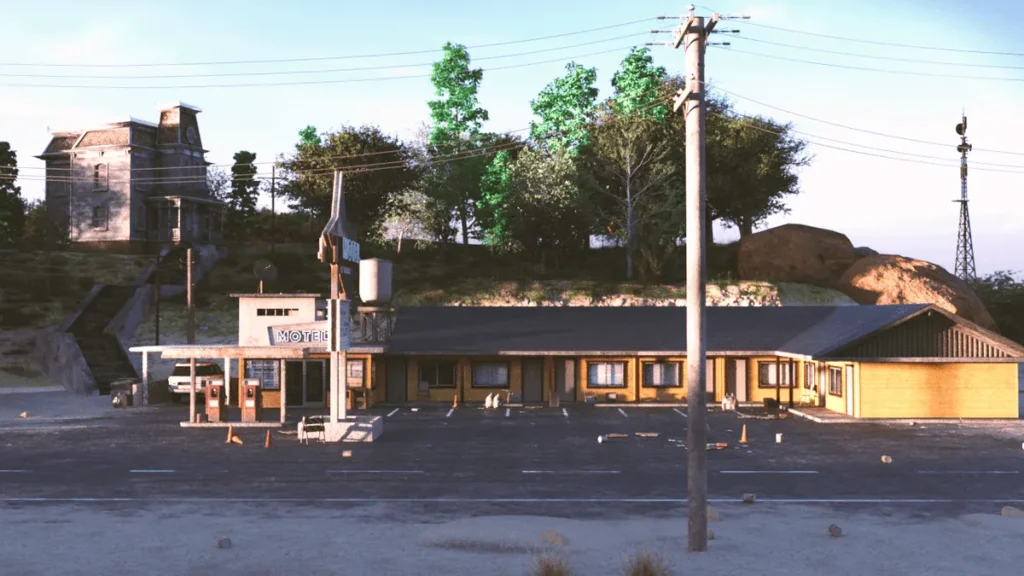
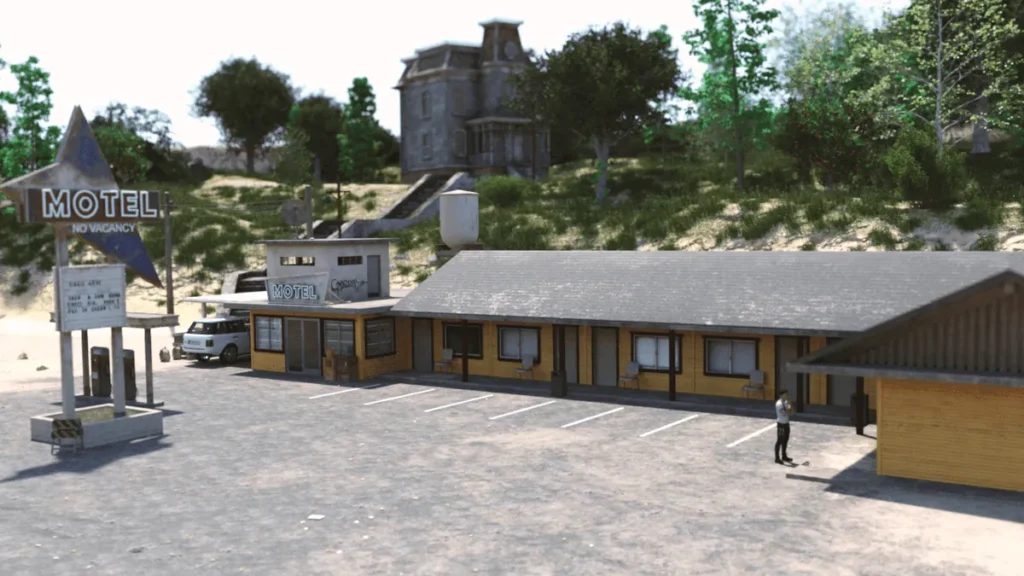
Stepping into the faded neon glow of the Gates Motel gameplay loop, you quickly realize this isn’t your typical spooky corridor simulator. Forget mindlessly collecting keys; here, the walls themselves feel like they’re watching, and every creaking floorboard is a potential clue. 🕵️♂️ My first playthrough taught me that lesson the hard way. I spent twenty minutes stuck in the lobby, assuming the next step was a hidden item, when the answer was literally written in the dust on the front desk. This is a world that demands you to observe, interact, and think. The core joy of Gates Motel isn’t just about reaching an ending—it’s about how you piece together the haunting story through every action you take.
How Interactive Elements Shape Player Experience
The heart of the Gates Motel experience is its profound respect for player agency. This isn’t a ride you passively watch; it’s a space you actively investigate and manipulate. The interactive game mechanics here are designed to feel tangible and consequential. You don’t just “use” a lever; you physically grab and pull it, feeling the resistance through your controller. You don’t “read” a note; you pick it up, turn it over in your virtual hands, and might even need to hold it up to a flickering light to see water-stained writing on the back.
This philosophy creates a powerful connection to the environment. I remember one tense moment, trying to quietly open a squeaky cabinet while something lurked in the hallway outside. The slow, deliberate turn of the knob, amplified by the superb sound design, had my heart pounding. Every interaction carries weight, making you consider if an action is worth the potential noise or consequence. This layer of physicality transforms simple exploration into a series of meaningful decisions.
The game masterfully uses this interactivity to feed its narrative. A broken radio isn’t just scenery; twisting the dial might suddenly pick up a ghostly transmission from the motel’s past. 🎚️ These moments aren’t scripted cutscenes but discoveries you personally trigger, making the story feel earned and deeply personal. This seamless blend of action and revelation is what defines the superior Gates Motel gameplay.
| Gameplay Mechanic | Player Action | Impact on Experience |
|---|---|---|
| Physical Object Manipulation | Grabbing, turning, inspecting items in 3D space | Creates immersion and tangible connection to the world; makes puzzles feel real. |
| Reactive Sound & Light | Making noise near enemies, using light sources | Builds tension and forces strategic, thoughtful movement through spaces. |
| Contextual Environmental Interaction | Cleaning a dirty mirror, adjusting a TV antenna | Reveals hidden clues and story fragments, rewarding thorough observation. |
| Non-Linear Note & Audio Discovery | Finding and piecing together logs in any order | Allows players to construct the narrative personally, enhancing mystery. |
Puzzle Integration and Its Role in Progression
If the interactive mechanics are the verbs of Gates Motel, then the puzzles are its perfect grammar. The puzzle integration in Gates Motel is its masterstroke—nothing feels like a random lock slapped on a door. Every brain-teaser is diegetic, born directly from the decaying reality of the motel itself. You’re not solving abstract sudoku; you’re getting the power back on by fixing the motel’s ancient fuse box, following wiring diagrams you found in the manager’s office.
This natural design is key to the satisfying game progression Gates Motel delivers. Progression is never gated by an arbitrary “find the blue key” task. Instead, you might need to decode an entry in a guestbook to learn a room number, then cross-reference that with a maintenance schedule to figure out why the door is jammed. One of my favorite Gates Motel puzzles involved matching the static-filled channels on an old TV to the vague memories described in a tenant’s diary. When the image finally cleared, revealing a crucial clue, it felt like a genuine breakthrough, not just a checkbox ticked.
The genius of these puzzles is that they teach you the logic of the world. Solving one often gives you the mindset needed to tackle the next, creating a beautifully organic learning curve.
This approach ensures that every solved puzzle advances two things simultaneously: the game progression Gates Motel relies on, and your own understanding of the tragic story. You aren’t just unlocking a new area; you’re uncovering why it was locked in the first place. The rewards are both practical and narrative, which makes moving forward feel incredibly rewarding. 🧩
Dynamic Atmosphere and Environmental Storytelling
While you’re busy solving puzzles, the motel itself is never a static backdrop. It’s a living, breathing character, and this is where the game’s dynamic atmosphere in games truly shines. The environmental storytelling isn’t just about set-dressing; it’s an active, reactive system that guides, unnerves, and informs you.
Let’s talk about the lighting. It’s not just moody—it’s functional and frightening. A flickering hallway light might temporarily reveal a hidden message scrawled on the wall, forcing you to wait in the dark for the next flash. 🌩️ The weather system is more than a visual effect; a sudden thunderstorm outside can drown out the sound of approaching footsteps, raising the tension instantly, or cause a leak that reveals a hidden compartment in the ceiling. The soundscape is arguably the star. The creaks and moans of the building aren’t random. Learning to distinguish the harmless settling of old wood from the distinctive, heavy drag of something else moving in Room 114 is a survival skill.
This dynamic atmosphere in games provides subtle hints, too. I noticed a painting would always seem to tilt slightly toward a particular wall after a loud noise in the game. Investigating that wall led to a hidden panel. The environment itself was giving me the clue! This level of detail means the Gates Motel gameplay loop becomes a conversation with the space. You observe its changes (environmental storytelling at its finest), interpret its signals, and react accordingly.
The culmination of these systems—the deep interactivity, the world-born puzzles, and the reactive atmosphere—creates an immersive cocktail that’s hard to find elsewhere. Your game progression Gates Motel style becomes unique, guided by what you notice and how you choose to engage with every eerie detail. You’re not just playing a horror game; you’re slowly, carefully unraveling the mystery of a place that feels hauntingly alive. It’s this perfect storm of mechanics that makes Gates Motel an unforgettable interactive experience. 🔑
Gates Motel stands out as a game that masterfully combines interactive storytelling with challenging puzzles and a rich atmospheric environment. Its unique approach to player choice and environmental detail creates a deeply engaging experience that keeps players invested in uncovering the motel’s secrets. Whether you’re drawn to its narrative depth or its immersive mechanics, Gates Motel offers a memorable journey worth exploring. Dive in and discover the mysteries waiting behind each door.