Peasant’s Quest
Play Peasant’s Quest
Peasant’s Quest Screenshots







Peasant’s Quest review
Master the medieval fantasy adventure with expert tips and strategies
Peasant’s Quest is an immersive medieval fantasy RPG that transports players into a vibrant world filled with adventure, exploration, and compelling character interactions. Developed by Tinkerer, this game invites you to step into the shoes of a young farm boy determined to seek fortune and encounter intriguing characters along the way. Whether you’re a seasoned RPG enthusiast or new to the genre, this comprehensive guide will help you navigate the game’s mechanics, uncover hidden secrets, and maximize your gaming experience. From understanding core gameplay systems to discovering advanced strategies, we’ll cover everything you need to know about this engaging fantasy adventure.
Understanding Peasant’s Quest: Game Mechanics and Core Features
So, you’ve left the plow behind and picked up a rusty sword. Welcome to the fields, taverns, and dark dungeons of Peasant’s Quest 🏰. This isn’t just another quest to save a princess from a tower; it’s the story of your rise from a humble farmhand to a legend whispered in taverns. But before you charge at the first goblin you see, let’s talk about how this world actually works. Understanding the core Peasant’s Quest gameplay mechanics is the difference between becoming a lord and becoming fertilizer for the turnips you used to grow.
This medieval fantasy adventure game wraps a deep, heartwarming story around surprisingly robust systems. Think of it as putting on a comfortable, familiar leather boot, only to find it’s lined with magic and secret pockets for all sorts of strategic tools. Let’s dig into the soil and see what makes this adventure grow.
What Makes Peasant’s Quest Unique in the RPG Genre
We’ve all played those epic RPGs where you’re the “Chosen One,” born with a destiny written in the stars. Peasant’s Quest flips that script on its head with a delightful thud. Your destiny here wasn’t written in stars; it was probably scribbled on a grocery list next to “milk and eggs.” You start as a nobody. A farm boy. Your greatest enemy is boredom and your most prized possession might be a slightly-less-dull hoe.
This grounding is its secret weapon. Every discovery feels earned. Finding a simple iron sword feels like uncovering Excalibur. Helping a villager fix their fence isn’t a forgettable side task; it’s the reason they’ll vouch for you at the city gates later. The game builds its RPG character progression on a foundation of relatable small victories. I remember the first time I earned enough copper coins from fetching herbs to buy a proper pair of boots. It felt more rewarding than slaying a dragon in other games! This approach to storytelling—where you build your legend one good deed and clumsy battle at a time—creates a connection to the world that many larger-scale RPGs miss.
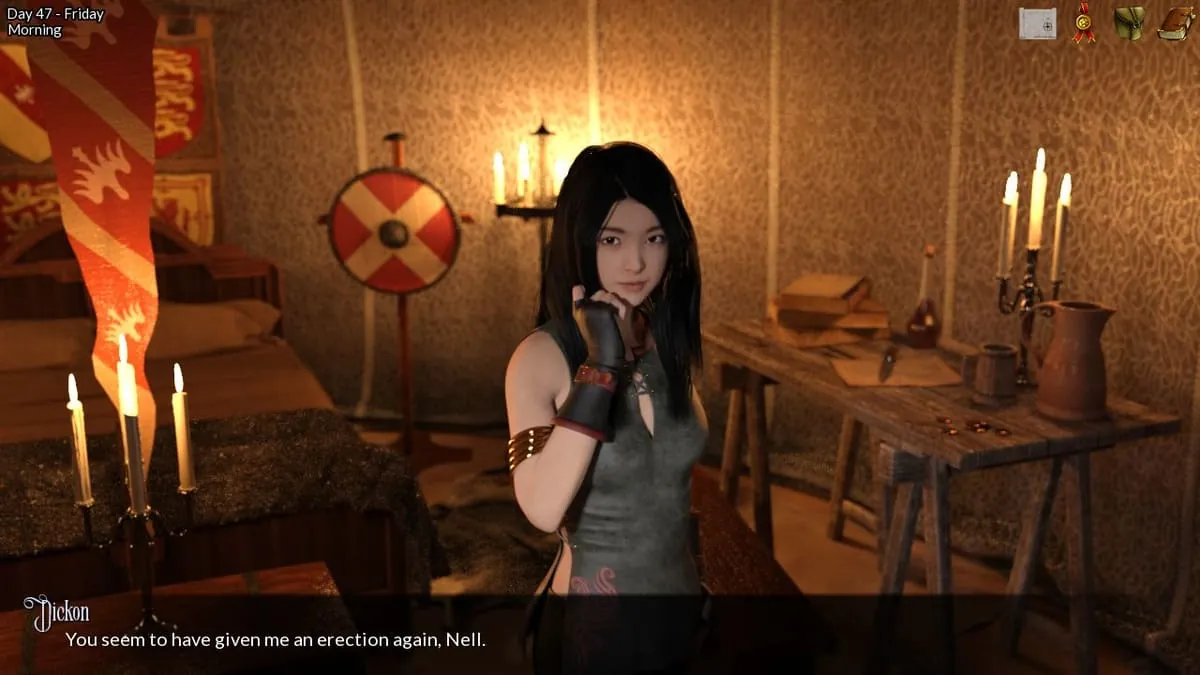
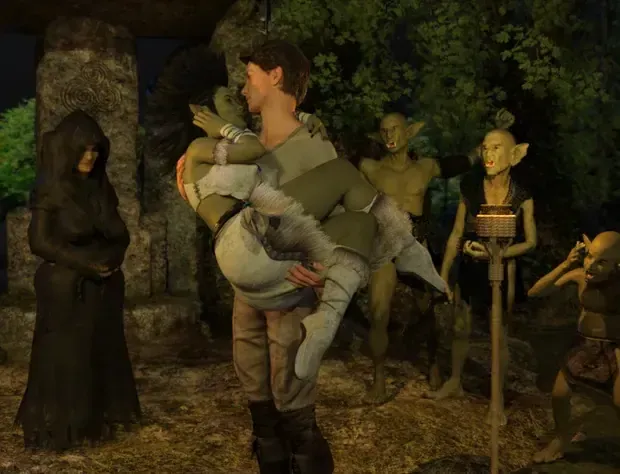
It’s also a masterclass in charm. The game uses a gorgeous 2D/3DCG hybrid visual style. Lush, painted 2D backgrounds make every forest path and castle courtyard feel like a page from a living storybook, while the 3D character models are expressive and full of personality. It’s not about graphical horsepower; it’s about cohesive, immersive artistry. This extends to its availability on Windows, Linux, and Mac—truly, anyone with a computer can answer this call to adventure, which is a wonderful thing.
Essential Game Mechanics You Need to Master
Alright, let’s roll up our sleeves. How to play Peasant’s Quest is a journey in itself, blending exploration, conversation, and strategic clashes. Don’t worry; this Peasant’s Quest guide for beginners will cover the essentials.
The World is Your (Turnip) Farm: Exploration & Interaction
The world isn’t just a backdrop for fights; it’s a puzzle and a treasure trove. You’ll explore from first-person perspectives in towns and dungeons, clicking to interact with everything. Talk to every NPC—not just the ones with exclamation marks over their heads. The grumpy old blacksmith might have a quest later, but only if you were polite to him earlier. Check every barrel, drawer, and loose floorboard. Early on, I found a key hidden in a haystack behind my own starting farm, which opened a chest in the nearby village. The game rewards curiosity.
Quests are rarely simple “kill ten rats” affairs. They often involve multi-step processes, conversations, and using items in clever ways. Pay attention to dialogue and your quest journal. The solution usually isn’t brute force; it’s using your peasant wits.
The Heart of the Conflict: The Turn-Based Combat System ⚔️
When diplomacy and stealth fail (which, for a novice adventurer, is often), you’ll engage in the game’s brilliant turn-based combat system. This isn’t about mindless clicking. It’s a tactical dance where positioning, resource management, and knowing your enemy are key.
Fights take place on a grid. Each turn, you have Action Points (AP) to move, attack, use skills, or drink a potion. Here’s the crucial part: flanking matters. Attacking an enemy from the side or rear often grants accuracy bonuses or even allows for special skills. Terrain can be used for cover. That turn-based combat system gives you all the time in the world to think, making every encounter a small puzzle.
Managing your Stamina (for physical skills) and Mana (for magical ones) is vital. You can’t just spam your strongest attack. Sometimes, the best move is to take a defensive stance, move to a better position, or throw a net to slow a fast enemy. It’s this strategic depth that makes even early-game fights against wild dogs feel engaging.
🛡️ Pro Tip: In your first few battles, don’t just attack. Use a turn to “Analyze” a foe. This reveals their strengths, weaknesses, and special abilities, letting you plan your strategy effectively.
Here are some essential tips to build a strong foundation as you start your journey:
- Embrace Your Roots: Your starting farm isn’t just a tutorial area. Revisit it! Often, as you gain new skills or items, you can interact with the environment in new ways to find hidden secrets or resources.
- Save Often and in Multiple Slots: This is a classic RPG staple for a reason. Before a suspicious cave, after a major decision, after buying that shiny new armor—save. The game can surprise you.
- Economy 101: You start poor. Resist buying the first shiny sword you see. Potions and utility items like lockpicks or rope are often better early investments. Loot everything you can, and sell mundane gear to vendors.
- Talk It Out: Exhaust dialogue options. Sometimes, a peaceful solution or a clever lie can avoid a brutal fight altogether, saving you resources and granting unique rewards.
- Experiment in Safe Spaces: Found a new spell or combat skill? Try it out on the training dummies outside the local militia barracks or on harmless wildlife before relying on it in a dungeon.
Character Development and Progression Systems
This is where your farmhand truly transforms. The Peasant’s Quest character development system is beautifully intertwined with the story. You aren’t just allocating points; you’re deciding who this former peasant becomes.
You gain experience from completing quests, discovering locations, and winning battles. Leveling up grants you Development Points to spend across four core attributes:
* Might: Raw physical power. Boosts melee damage, carrying capacity, and health.
* Finesse: Speed, precision, and stealth. Affects your Action Points in combat, ranged accuracy, lockpicking, and evasion.
* Intellect: Knowledge and magical affinity. Increases mana, the power of spells, and success in persuasion or crafting.
* Spirit: Willpower and resilience. Improves defense against magical attacks, healing effectiveness, and stamina.
But it doesn’t stop there. Based on how you invest these points and the quests you complete, you’ll unlock Skills and Talents. Skills are active abilities you use in or out of combat, like a powerful shield bash, a firebolt spell, or the ability to pick advanced locks. Talents are passive bonuses that define your playstyle, like taking less damage from flanking attacks, finding more herbs, or getting better prices from merchants.
The beauty is in the synergy. You’re not locked into a “class” from the start. You might start putting points into Might for better swordsmanship, but then dabble in Intellect to use a few supportive enchantments. The game calls this “finding your own path to heroism.” By the mid-game, your character will be a unique reflection of your choices. Are you a nimble rogue who uses Finesse to dart in and out of combat? A spirited guardian who uses Spirit to protect allies? The combinations are vast.
To help you visualize your path, here’s a look at some common archetypes that emerge from the flexible Peasant’s Quest gameplay mechanics:
| Archetype | Core Attributes | Strengths | Weaknesses | Playstyle |
|---|---|---|---|---|
| The Stalwart Warden | Might & Spirit | Extremely durable, high health, great at holding the front line and drawing enemy attention. | Lower damage output, can be kited by ranged foes, relies on others for complex tasks like lockpicking. | Defensive tank. Use taunts and defensive stances to protect softer allies. Your job is to survive and control the battlefield. |
| The Cunning Pathfinder | Finesse & Intellect | Master of exploration, excels at disarming traps, picking locks, and striking from stealth with high critical hits. | Fragile in direct confrontations, struggles against heavily armored foes, resource management for tools can be tricky. | Skirmisher and problem-solver. Flank enemies for bonus damage, use the environment, and handle all the non-combat challenges the party faces. |
| The Arcane Apprentice | Intellect & Spirit | Powerful elemental and utility magic, can control crowds with spells, heal allies, or deal massive damage from a distance. | Very low physical defense, dependent on mana pool, can be overwhelmed if enemies breach the front line. | Backline artillery and support. Position carefully, manage your mana like gold, and use spells to exploit enemy weaknesses or turn the tide of battle. |
| The Balanced Militia | Might & Finesse | Versatile and self-reliant, good with both bows and swords, capable in many situations without specialization. | Doesn’t excel in any one area, can be outshone by specialists in late-game challenges, requires careful gear selection. | Adaptable warrior. A great starting path for beginners. You can handle most threats directly and adjust your tactics on the fly. |
Mastering Peasant’s Quest is about harmonizing these elements. Your journey through this medieval fantasy adventure game is defined by the small choices: the skill you practice, the person you help, the attribute you raise after a hard-won battle. It proves that a hero isn’t born from a prophecy, but forged through perseverance, smart choices, and a willingness to get your hands dirty—literally. Now, with these Peasant’s Quest gameplay mechanics in mind, you’re ready to step off the farm path and into your own legend. The kingdom won’t save itself
Peasant’s Quest offers a rich and engaging medieval fantasy experience that rewards both casual exploration and strategic planning. From mastering the fundamental mechanics and turn-based combat system to uncovering hidden quests and optimizing your character build, this game provides countless hours of immersive gameplay. Whether you’re drawn to the compelling narrative, the diverse NPC interactions, or the satisfaction of overcoming challenging encounters, Peasant’s Quest delivers a memorable adventure. By applying the strategies and tips outlined in this guide, you’ll be well-equipped to navigate the game world, make meaningful choices that shape your story, and experience everything this fantasy RPG has to offer. Start your journey today and discover why Peasant’s Quest has captivated players seeking a deep, rewarding gaming experience.