
Polarity
Play Polarity
Polarity Screenshots











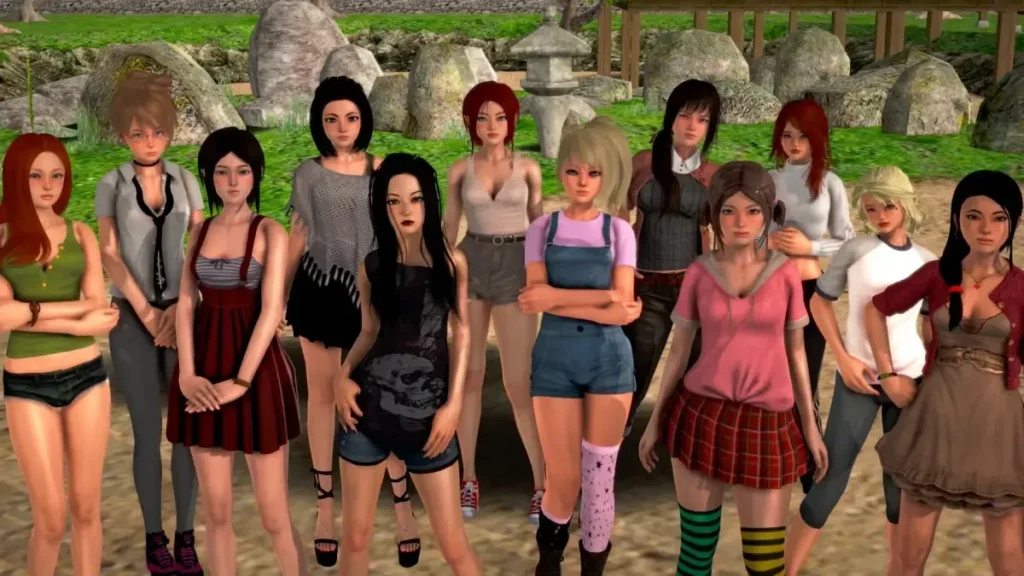

Polarity review
A story-focused look at Polarity, its branching paths, and how your decisions shape every relationship
Polarity is a story-driven visual novel where you play a retired professional fighter starting over in a new city, suddenly surrounded by free time, money, and a web of complex relationships. From the first scene, your decisions shape who you become and how people respond to you, turning simple conversations into turning points. In this guide, I’ll walk you through what makes Polarity stand out, how its branching routes and morality system work in practice, and what you can realistically expect in terms of story, pacing, and replay value based on my own playthroughs and community feedback.
What Is Polarity and Why Has It Gained Such a Following?
You’ve probably seen the name Polarity floating around in visual novel communities, whispered about for its intense drama and branching paths. But if you’re like I was, you might be wondering: what’s the big deal? 🤔 Is it just another romance game, or is there something more to it?
Let me cut to the chase. Polarity is a story-focused, choice-driven visual novel that has carved out a dedicated following not with flashy action, but with raw, grounded human drama. Created in Ren’Py, it’s a game you play with your heart, not your reflexes. If you’re tired of passive stories and crave one where your voice truly shapes the narrative, then you’ve come to the right place. This guide will pull back the curtain on what makes Polarity so uniquely compelling.
Who do you play in Polarity and what’s the core story?
At its heart, Polarity is a story about starting over. You step into the shoes of a former professional martial artist who has made a life-altering decision: to retire early. After years of relentless discipline, training, and living in the spotlight of competition, he walks away. With savings in the bank, he moves to a new city, buying a home and settling into a life of unexpected—and somewhat unsettling—free time.
This is the brilliant setup of the Polarity game plot. The core conflict isn’t physical; it’s emotional and social. The protagonist’s world, once defined by strict routines and singular purpose, suddenly expands to include neighbors, local shop owners, and a chance to build a community. His newfound freedom and financial comfort act as a catalyst, pulling him into the orbit of a new social circle filled with other adults, their families, and all the beautifully complicated dynamics that come with them.
So, what is Polarity game about if not fighting? It’s about connection. The narrative gently introduces you to the central web of relationships: two single mothers and their teenage daughters (it’s important to note that all characters are written as consenting adults within the game’s context). Your character, adrift without his old career, finds himself drawn into their lives, navigating a delicate space where friendship, support, attraction, and romance begin to dangerously overlap.
Forget action sequences. The “gameplay” here is reading, reflecting, and choosing. Every dialogue option, every decision to offer help or keep your distance, actively steers the story. This Polarity RenPy game is built on the premise that words are your tools and relationships are your battlefield. The tone isn’t about cheap shock value or edginess; it’s a mature exploration of drama, romance, and the kind of moral dilemmas that leave you staring at the screen, wondering what the right thing to do actually is.
To summarize, the pillars of the Polarity experience are:
* A Deep Story Focus: The narrative is the main event.
* Meaningful Branching Choices: Your decisions alter paths and relationships authentically.
* Morality & Consequences: The game explicitly frames itself around the weight of your actions.
* Grounded Relationship Drama: Interactions feel believable and impactful.
* High Replay Value: You’ll want to go back to explore different outcomes.
How does Polarity mix everyday life, drama, and relationships?
One of the most masterful aspects of Polarity is its tonal balance. This isn’t a story that lives solely in grand, dramatic moments. Instead, it roots you firmly in the mundane, making the emotional highs and lows hit so much harder. 🏡
You’ll spend a good amount of time in slice-of-life moments that are surprisingly engaging: unpacking boxes in your new home, having casual coffee chats, running errands at the local store, or simply enjoying a quiet evening. These scenes aren’t filler; they’re foundational. They build the Polarity story overview by making the world feel lived-in and real. You get to know the characters in their relaxed states—their humor, their quirks, their daily struggles—which makes you invest in them as people, not just plot devices.
Then, the game seamlessly weaves in heavier, more dramatic themes. It explores grief, the weight of past losses, the challenge of rebuilding a life after personal tragedy, and the quiet desperation of loneliness. This is where the Polarity visual novel truly shines. The drama doesn’t feel forced or melodramatic; it feels like a natural extension of these characters’ lives. A casual conversation can suddenly turn poignant with a revealed memory. A simple offer of help can unearth a deep-seated fear.
What players, including myself, rave about is the quality of the writing. The dialogue crackles with authenticity. Characters interrupt each other, make bad jokes, get defensive, and show vulnerability in ways that feel utterly human. The character writing is so strong that you quickly forget you’re clicking through a script.
Most importantly, the game sells the illusion—and the reality—that your choices genuinely matter. This isn’t an illusion of choice leading to the same endpoint. How you choose to interact with someone in Chapter 1 can directly change how they speak to you, what they reveal, and what opportunities are available in Chapter 4. The game explores timeless themes like responsibility versus desire, loyalty versus temptation, and the quiet consequences of kindness or selfishness. It’s a narrative built to make you think about who you’re becoming through your decisions.
| Element | How It Manifests in Polarity |
|---|---|
| Slice-of-Life | Moving in, casual hangouts, daily routines that build authenticity. |
| Drama | Themes of grief, loss, past trauma, and complex moral dilemmas. |
| Relationships | Evolving connections based on consistent choices, not predetermined paths. |
| Core Appeal | Emotional engagement through believable characters and consequential writing. |
My first playthrough: what surprised me most about Polarity
I went into my first run of the Polarity game thinking I understood choice-based narratives. I was wrong. 🎮 Within the first hour, the game had completely dismantled my expectations. I expected a light, maybe slightly dramatic romance story. What I got was an emotionally immersive experience that had me fully invested in people who, let’s be honest, only existed as text and art.
What surprised me first was how quickly I cared. There’s an early, seemingly minor scene involving a character and their pet. It was a simple moment of vulnerability, a window into their capacity for care and their fear of loss. I didn’t just see a character trait; I felt a connection. Later, when a tragic past event was gently revealed through conversation—not a dramatic info-dump, but a reluctant confession—it landed with real weight because I already felt fond of them. The game earns its emotional beats.
Then came the realization about choices. I made a few off-hand decisions early on. I chose a slightly more reserved, polite response over a warmly open one in two separate conversations. I thought nothing of it. Fast-forward a few in-game days, and I hit a wall. A character I wanted to know better was cordial but distant, and a story beat I’d read about in forums just… didn’t happen for me. The game wasn’t broken. I had quietly, without fanfare, closed a door by establishing a certain personality. It was a brilliant, humbling moment. I immediately started a new save, not to “win,” but to see if a different version of myself could build a different kind of trust.
It was like the game was reading me back to myself. I thought I was just picking dialogue, but I was actually shaping a soul, and the characters reacted to the real person behind the clicks.
The pacing felt perfect for this kind of discovery. Early chapters are digestible, with a single path’s segment taking maybe 30-60 minutes. This lets you experiment. Later chapters add more depth, complexity, and branch out the routes significantly, rewarding your time investment. My first Polarity game review in my head was simply: “This is what I wanted narrative games to be.”
I found myself reloading saves not just at big dramatic forks, but after small, intimate conversations. “What if I said this instead? Would she have smiled? Would he have trusted me with that detail?” This Polarity visual novel had turned me into an empathetic strategist, carefully considering the emotional impact of my words.
Ultimately, Polarity’s immense appeal lies in this profound emotional engagement. It’s not about optimizing a route for a specific outcome (we’ll get to that in later chapters!). It’s about the grounded writing and the powerful feeling that you are actively steering both your character’s developing personality and the authentic, fragile, beautiful relationships he builds. You’re not just watching a story about morality and consequences; you’re living one, choice by meaningful choice.
Polarity is more than a quick visual novel to click through; it is a character-driven story that leans hard into choice, consequence, and the messy way relationships evolve when someone suddenly has time, money, and unresolved baggage. If you enjoy grounded dialogue, emotional stakes, and replaying scenes just to see how different answers reshape the story, Polarity is absolutely worth exploring. Start with a single path, lean into your instincts instead of min-maxing every decision, and then come back for another run where you deliberately choose differently. That contrast between playthroughs is where Polarity really shines and where the story feels most personal.