
Project QT Screenshots




Project QT review
Master the mechanics, character evolution, and combat systems in this mobile RPG
Project QT stands out as a distinctive mobile RPG that blends match-3 puzzle mechanics with character-driven narratives and strategic combat systems. This game has garnered attention for its sophisticated approach to character customization and progression, offering players multiple evolution paths and tactical decision-making opportunities. Whether you’re new to the game or looking to optimize your strategy, understanding the core mechanics and character development systems is essential for maximizing your gameplay experience. This guide explores the fundamental systems that make Project QT engaging for dedicated players seeking both challenge and narrative depth.
Understanding Project QT’s Core Gameplay Mechanics
Ever loaded up a mobile game expecting a simple puzzle fix, only to find yourself managing a team of evolving characters, planning intricate strategies, and chasing rare upgrades? 😅 That was my exact “aha!” moment with Project QT. I went in thinking it was just another match-3, but I quickly discovered a surprisingly deep strategic customization mobile RPG wrapped in a deceptively colorful package. If you’re ready to move past just matching gems and start commanding your squad like a pro, you’re in the right place. This chapter is your blueprint to mastering the Project QT gameplay mechanics that make this game so uniquely engaging.
The magic—and the complexity—lies in how these two worlds collide. It’s not just about solving puzzles; it’s about how every match you make directly fuels your team’s power in a dynamic battle. Getting a handle on this synergy is the first step to dominating every challenge.
Match-3 Puzzle Integration and Combat Flow
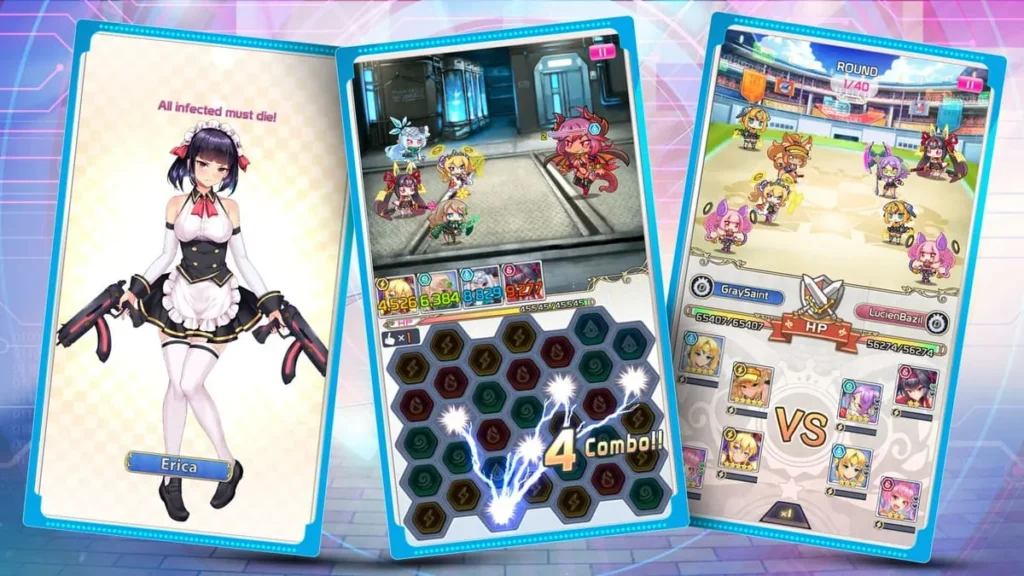
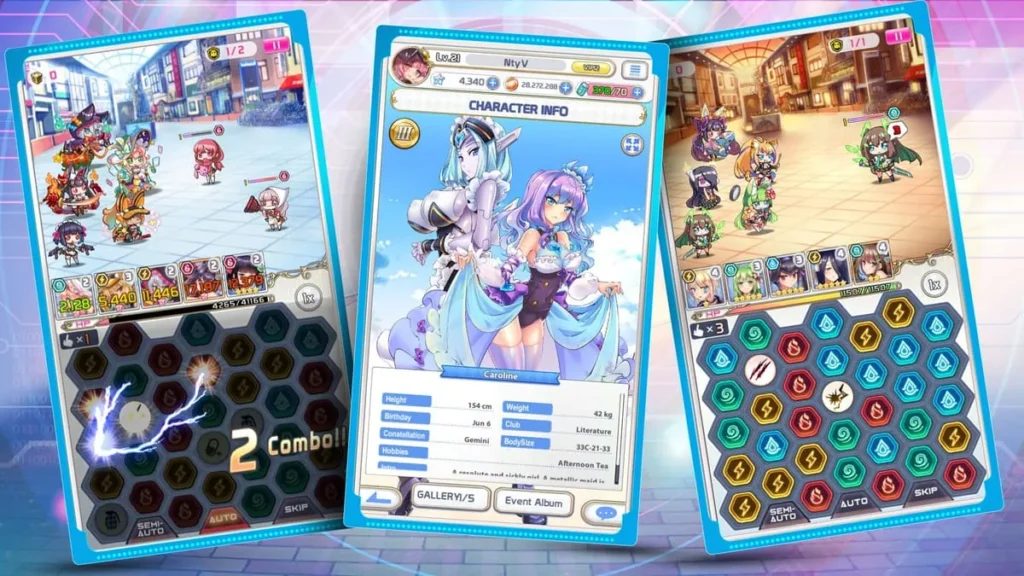
At its heart, the match-3 RPG combat in Project QT is a brilliant dance between your brain and your brawn. The screen is split: your team of characters on one side, the enemies on the other, and a vibrant puzzle board sitting right in the middle. This isn’t a separate mini-game; it’s the very engine of your fight.
Here’s how it works: Every gem you match generates energy for your corresponding character. Match red gems, and your fire-based attacker charges up. Match blue, and your healer or support gets closer to their turn. It’s a constant, real-time choice. Do you go for a big, flashy 5-match to unleash a huge burst of energy, or do you make several smaller 3-matches to evenly charge your whole team? This is where tactics begin.
Pro Tip: I learned this the hard way in an early boss fight. I was solely focused on charging my hardest hitter, ignoring the green gems for my healer. When the boss launched a massive area attack, my damage dealer was ready… but my entire team was nearly dead, and my healer had no energy to save us. Game over. 😬 Balance is everything.
The puzzle board is also your primary tool for executing special attacks. Most characters have skills that trigger based on clearing specific gem colors or creating certain match types. It creates a fantastic feedback loop: you use the board to power your team, and your team’s abilities help you manipulate the board for even better matches. Mastering this Project QT gameplay mechanics loop is what separates casual players from commanders.
Character Evolution Trees and Progression Systems
So, you’ve got your team, and you’re making smart matches. Now, how do you make your characters truly powerful? This is where the game’s incredible depth of Project QT character progression shines. Leveling up your characters is just the baseline. The real magic happens through evolution, and it’s governed by detailed character evolution trees.
Each character doesn’t just get stronger; they grow along one of three distinct strategic paths. When you access a character’s evolution screen, you’ll be presented with a choice that defines their role in your squad:
- The Attack Branch (Sword Icon): 🗡️ This path turns your character into a dedicated damage dealer. It heavily boosts their Attack stat and unlocks skills that increase critical hit chance, add damage-over-time effects, or hit multiple enemies. Perfect for your main offensive core.
- The Defense Branch (Shield Icon): 🛡️ Choosing this branch transforms your character into a resilient tank. You’ll see big increases in HP and Defense, alongside skills that provide self-shields, taunt enemies, or reduce incoming damage for the whole team. Essential for survivability.
- The Support Branch (Heart Icon): 💖 This path is for buffers, debuffers, and healers. Stat boosts focus on HP and a special stat that often powers healing or effect potency. The skills here might cleanse negative effects from allies, weaken enemies, or provide crucial healing.
Your choice is permanent for that character and dramatically affects team composition. This system of character evolution trees means two players can have the same character but use them in completely different ways based on their overall strategy.
Evolution happens at key star milestones, each unlocking transformative power spikes. Here’s a breakdown of what to aim for:
| Star Level | Unlocked Features | Primary Stat Bonus | Strategic Benefit |
|---|---|---|---|
| 3-Star | Passive Skill Unlock | +10% to Main Stat | Adds a constant, automatic effect that defines the character’s utility (e.g., “Heal lowest HP ally at turn start”). |
| 5-Star | Ultimate Ability Awakening | +20% to All Stats | Unlocks the character’s most powerful skill. This is a game-changer for match-3 RPG combat, often turning the tide of battle. |
| 6-Star (Ascension) | Enhanced Ultimate & Max Level Cap | +30% to All Stats | The final prestige tier. The ultimate ability is upgraded, and the character reaches its maximum potential power. |
Understanding how to level up characters Project QT is more than just gathering experience potions. It’s a resource-management marathon focused on reaching these evolution milestones. Prioritize getting your core team’s key members to 5-Stars for their ultimate ability awakening, as this is the single biggest power spike in the game.
Strategic Customization and Build Optimization
This is where all the systems come together to create your unique playstyle. Project QT isn’t about finding one “meta” team and sticking to it; it’s about strategic customization. Your choices in evolution paths, team synergy, and resource investment let you craft a squad that fits how you like to play.
Let’s use a practical example. Say you pull a powerful fire mage. Her character evolution trees offer two compelling choices right at the start:
* Path A: Pyro Mastery (Attack Branch). This focuses on raw explosive power, increasing her skill damage and adding a burn effect.
* Path B: Flame Armor (Defense Branch). This surprising path gives her a shield based on her attack power and reduces damage she takes.
Which is better? It depends! 🤔 If your team is already squishy and dies quickly, making her a bit tankier with Flame Armor might let her survive long enough to cast her ultimate. If you have a solid tank protecting her, then doubling down on damage with Pyro Mastery will obliterate foes faster. This is the essence of strategic customization mobile RPG gameplay.
Here’s my actionable advice for building your roster:
- Evolve a Healer First: My number one tip for new commanders. Survivability is king. Getting a primary healer to 5-Stars for their ultimate ability awakening (often a massive full-team heal) will carry you through story chapters, events, and tower modes. It’s the safest and smartest investment for long-term progress.
- Synergize Your Team: Look beyond individual power. Do you have a character that slows enemies? Pair them with one that does extra damage to slowed targets. Build your character evolution trees to complement these combos. A team where skills work together will always beat a team of disconnected powerful individuals.
- Smart Gacha Investment: The game uses a gacha system for obtaining new characters. Always save your premium currency for “rate-up banners” featuring a specific character you need for your strategy. Don’t just spend gems as soon as you get them! Patience here is a huge part of smart Project QT character progression.
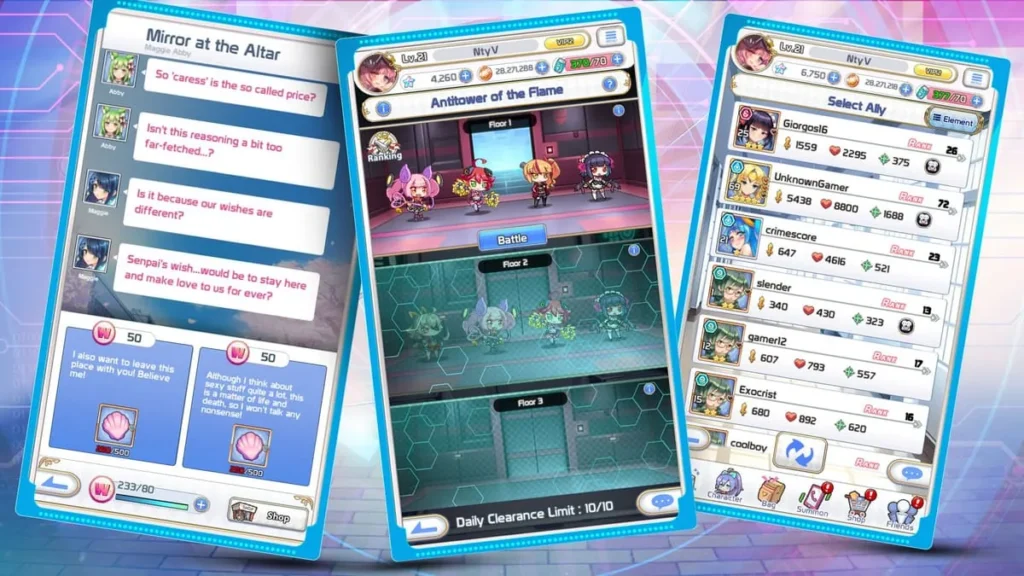
- Balance Your Puzzle Board: Remember the combat flow! When customizing your team, think about the gem colors they use. If all four of your characters need red gems to charge, you’re going to have a bad time. Try to build a team that utilizes different gem colors to ensure smooth, consistent energy generation during match-3 RPG combat.
Ultimately, the beauty of Project QT’s mechanics is the lasting engagement they create. There’s no single endpoint. You can always work on a new character, experiment with a different evolution path on an old favorite, or tweak your team to tackle a specific super-boss. It’s a satisfying cycle of planning, building, testing, and optimizing that keeps the Project QT gameplay mechanics feeling fresh and rewarding long after the initial puzzle charm wears off. Now, go put this knowledge into practice and start building your ultimate squad! 🚀
Project QT delivers a compelling blend of strategic puzzle-solving and character-driven progression that appeals to players seeking depth in their mobile gaming experience. The game’s sophisticated evolution system, with its branching paths for Attack, Defense, and Support specializations, ensures that character development remains engaging and rewarding. By understanding the core mechanics—from match-3 combat integration to the importance of prioritizing healer evolution—players can build effective teams and progress efficiently. The customization options available through character evolution trees and awakening stages provide meaningful choices that impact both gameplay and visual presentation. Whether you’re optimizing your first team or refining advanced strategies, mastering these systems will enhance your enjoyment and success in Project QT.