Stars of Salvation
Play Stars of Salvation
Stars of Salvation Screenshots


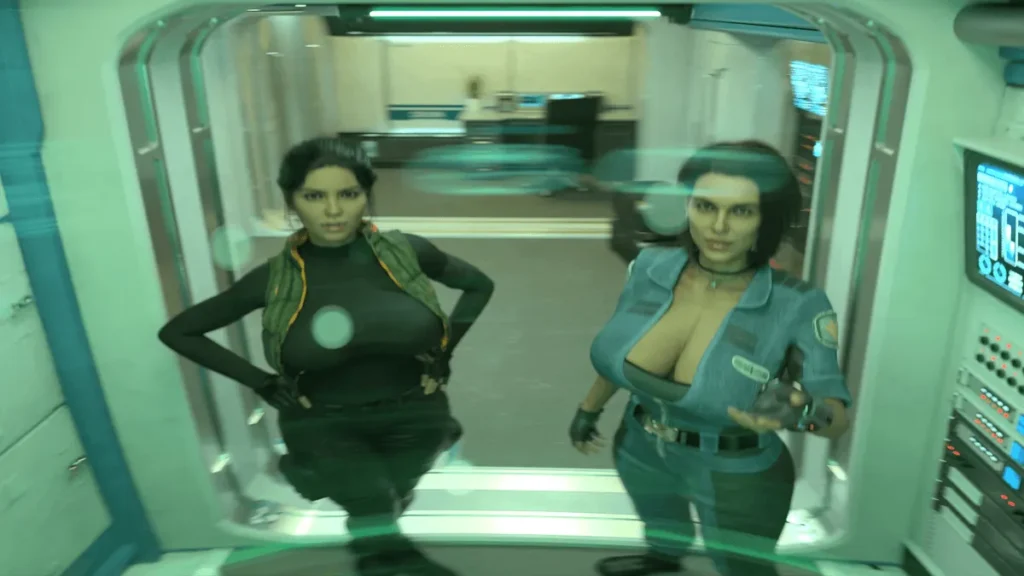


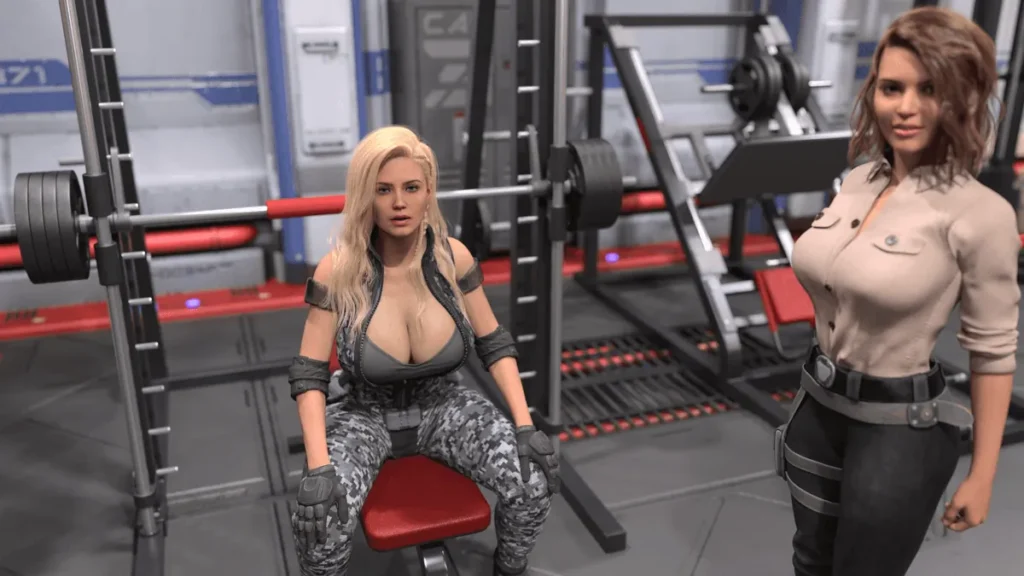
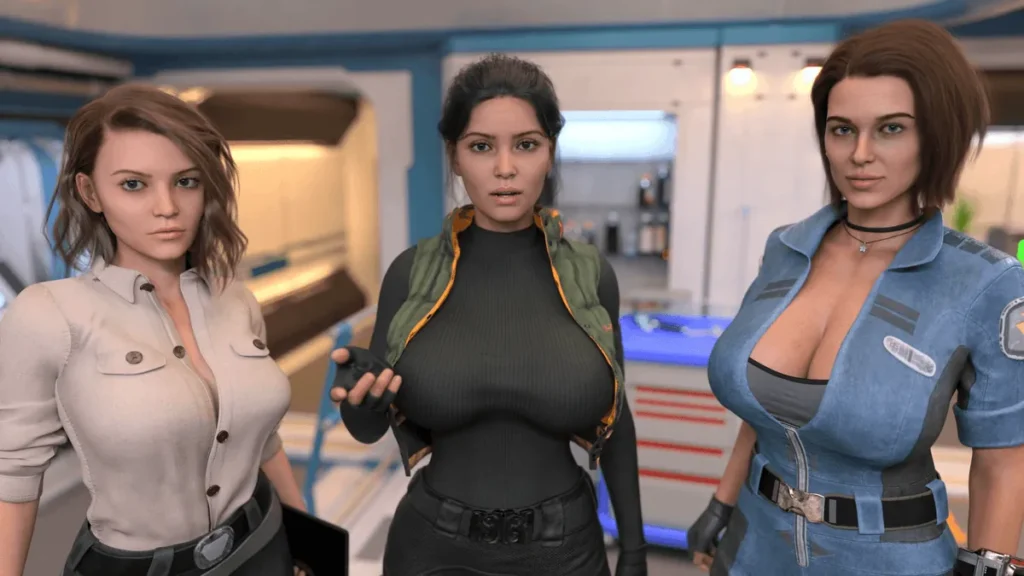
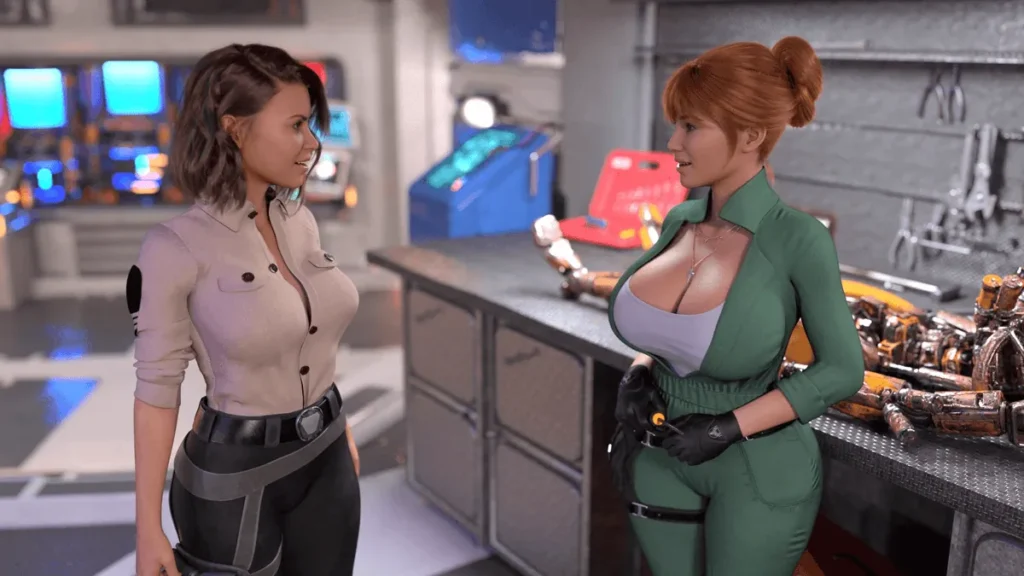
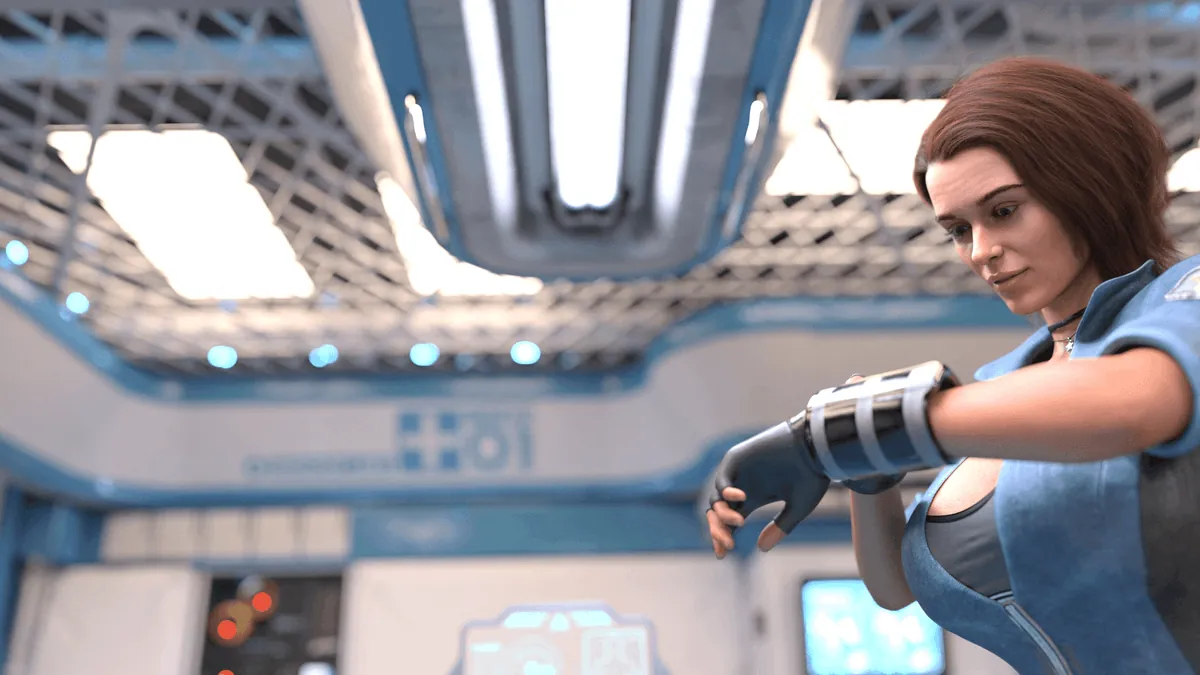
Stars of Salvation review
A practical, experience-based look at the Stars of Salvation sci‑fi adventure
Stars of Salvation drops you into a stranded hero’s shoes, adrift in space and rescued by an all‑female crew locked in the middle of a dangerous conflict. From the first minutes, Stars of Salvation mixes visual novel storytelling, relationship building, and a tense mystery about who can really be trusted on the ship. When I first launched it, I expected a simple sci‑fi distraction; instead, I found a drama set light‑years from Earth, where every conversation can shift loyalties and outcomes. In this guide, I’ll walk you through what makes Stars of Salvation unique, how its gameplay really feels, and what I learned after several full playthroughs.
What Is Stars of Salvation and Why Has It Gained So Much Attention?
So you’ve seen the name popping up in forums or on your favorite gaming feed, and you’re wondering what all the buzz is about. What is Stars of Salvation, exactly, and why is this sci fi visual novel game suddenly on everyone’s radar? 🚀 If you love a gripping narrative set against the vast, cold backdrop of space, but crave something more intimate than a grand space opera, you’re in the right place. Let’s pull back the airlock door and take a practical, spoiler-light look at this captivating adventure.
How does the story of Stars of Salvation begin?
Imagine waking up with a pounding head, the sterile smell of antiseptic in your nose, and absolutely no memory of how you got there. That’s the jarring, brilliant opening of the Stars of Salvation story. You are the sole survivor of a catastrophic event in the deep void, rescued by the crew of the Salvation—a mysterious vessel that becomes your entire world. From the first moments, the game masterfully builds a sense of vulnerability and intrigue. You’re not a grizzled hero; you’re a blank slate thrown into a simmering pot of tension.
The core premise is immediately engaging. You find yourself as the only male presence on a ship crewed entirely by women, each with their own specialties, secrets, and scars. This isn’t just a backdrop for social dynamics; the Salvation is already entangled in a shadowy conflict, and your arrival is a catalyst that throws everything into chaos. The real hook? There’s a traitor on board. Someone is working against the crew, and as trust frays and systems mysteriously fail, you realize your choices in conversation aren’t just about making friends—they’re about survival and uncovering the truth.
I remember my first boot-up of the Stars of Salvation game. Waking up in that medical bay, the ship’s AI coolly assessing my vitals, I felt genuinely disoriented. When the first crew member, the pragmatic medical officer, entered and began asking questions, I clicked through my dialogue options thinking it was just flavor text. It wasn’t. Her demeanor shifted subtly based on my answers, and a small notification about “Affection” appeared. Right then, I knew this was a game where paying attention to every word mattered. The sense of being an outsider, piecing together my own identity while navigating a web of existing loyalties and suspicions, was instantly compelling.
In a nutshell, Stars of Salvation grabs you by throwing you into a classic sci-fi mystery with a very personal, character-driven twist:
* The Setting: A confined, atmospheric spaceship that feels both like a refuge and a gilded cage.
* The Hook: A visceral amnesia plot combined with the urgent, paranoia-fueled search for a hidden enemy.
* The Focus: Deep, branching relationships with a diverse crew, where every conversation can alter your path.
What kind of gameplay experience does Stars of Salvation offer?
If you’re coming from action-packed RPGs or real-time strategy titles, the Stars of Salvation gameplay will feel like a deliberate, thoughtful change of pace. This is a narrative experience first and foremost. Think of it as directing your own episode of a suspenseful space drama, where you are both the protagonist and the author of your relationships.
The core loop is beautifully straightforward and deeply engaging. You’ll spend your cycles (the game’s version of days) exploring different sections of the ship—the bustling mess hall, the quiet observatory, the tense bridge. In each location, you can initiate conversations with the crew members present. These aren’t simple exchanges; they are the heart of the game. You’ll choose your responses, which can raise (or lower) your standing with characters, unlock private scenes, and reveal critical pieces of the overarching mystery. The game expertly makes talking feel like meaningful action.
The structure is all about branching dialogue and relationship paths. Your choices determine which character-specific scenes you unlock, which in turn reveal more of their backstory and the ship’s secrets. This isn’t a linear “nice guy/bad guy” meter. You might gain the engineer’s trust by showing technical curiosity, while alienating the security chief by being too nosy about ship defenses. These paths converge and diverge, leading to multiple distinct endings based on who you’ve bonded with and what truths you’ve uncovered.
Let me give you a tangible example from one of my playthroughs, to show this system in action.
A Glimpse at Your First Day Aboard the Salvation:
You wake in Med Bay. The doctor, Elara, is brisk but not unkind.
* Choice 1: “Where am I?” (Focuses on your immediate situation.)
* Choice 2: “What happened to my ship?” (Shows concern for your past.)
* Choice 3: “Who are you?” (Direct, perhaps slightly confrontational.)
I chose Option 2. Elara’s expression softened slightly; she interpreted it as concern for lost comrades, marking me as empathetic. Later, in the mess hall, I met the pilot, Kira. She made a sharp joke about the food.
* Choice 1: Laugh along. (Friendly, builds rapport.)
* Choice 2: “We should be grateful for supplies.” (Practical, maybe dismissive.)
* Choice 3: Remain silent. (Neutral, observant.)
I laughed along. Kira grinned, and a unique dialogue branch opened about her homeworld’s cuisine—a small scene that wouldn’t have triggered with a different choice. By the end of that first virtual day, my relationship with these two characters was already on subtly different trajectories.
This choice-driven design means your experience is uniquely yours. In one playthrough, I devoted most of my time to the ship’s enigmatic scientist. This meant I was with her in her lab when a critical systems failure occurred, seeing the event through her analytical, slightly detached perspective. In another run, I was in the engineering bay with the chief engineer, and the same event played out completely differently—filled with frantic activity, shouted jargon, and a much more visceral sense of danger. The Stars of Salvation gameplay is designed for this, rewarding careful attention and multiple playthroughs.
To break it down visually, here’s what the core experience focuses on:
| Gameplay Pillar | What It Involves | Why It Works |
|---|---|---|
| Narrative Exploration | Reading detailed text, making dialogue choices, uncovering the story piece by piece. | Creates a powerful, immersive “page-turner” effect where you actively shape the plot. |
| Relationship Building | Managing affection levels through conversations and key decisions. | Makes every interaction feel significant and personally rewarding. |
| Branching Pathways | Your choices unlock specific scenes and lead to one of several endings. | Provides tremendous replay value and a sense of real consequence. |
| Atmospheric Immersion | Beautiful artwork, a fitting soundtrack, and a confined ship setting. | Amplifies the feelings of tension, mystery, and occasional camaraderie. |
Who will enjoy Stars of Salvation the most?
Now for the million-credit question: is Stars of Salvation worth playing for you? This isn’t a game for everyone, and that’s its strength. It knows exactly what experience it wants to deliver and executes it with focus.
You will likely love Stars of Salvation if:
* You are a fan of sci-fi settings that prioritize atmosphere and intrigue over constant laser battles. 🌌
* You enjoy character-driven stories where getting to know a cast feels as important as saving the galaxy.
* You get a kick out of making meaningful choices in dialogues and seeing how they ripple through a story.
* You appreciate the visual novel format—a style of game centered on reading and decision-making, often with strong art and music.
* You love a good mystery and the slow-burn tension of a “whodunit” in a locked-room (or locked-ship) scenario.
You might want to adjust your expectations if:
* You’re seeking fast-paced action, hands-on combat, or complex resource management. This is a cerebral, conversation-based experience.
* You prefer games with extensive exploration of large, open worlds. The Salvation is your entire world, and you’ll come to know every corridor intimately.
* You dislike reading or prefer your storytelling to be primarily visual/cinematic. While the art is great, the narrative weight is carried through text and your choices.
For me, the combination was irresistible. As a longtime fan of both sci-fi and narrative games, Stars of Salvation hooked me with its perfect storm of a claustrophobic setting, a looming threat that felt genuinely dangerous, and a cast I quickly grew invested in. The fact that my first playthrough ended in a way that was directly, tangibly a result of my choices—and not just a last-minute binary decision—made me immediately start a new game to try a different path. That’s the mark of a compelling interactive story.
So, is Stars of Salvation worth playing? If the idea of unraveling a spaceship mystery through tense conversations and forming fragile alliances sounds like your kind of adventure, then the answer is a resounding yes. It’s a focused, well-crafted journey that proves sometimes the most epic battles are fought with words, and the deepest voids to cross are the spaces between people. It’s a standout sci fi visual novel game that deserves the attention it’s getting. Your seat on the Salvation is waiting. Just remember: trust is the most valuable currency on board, and it’s in dangerously short supply.
Stars of Salvation blends a tense sci‑fi mystery with intimate, character‑driven storytelling in a way that rewards curiosity and careful choices. After several runs, what stuck with me was how different the ship felt each time, simply because I approached conversations and loyalties from new angles. If you enjoy narrative games where dialogue decisions genuinely matter and you like the idea of uncovering secrets aboard a stranded vessel, Stars of Salvation is worth exploring. Give yourself time to slow down, talk to everyone, and experiment with different paths—you may be surprised by how much the story shifts once you start trusting different people.