
Stranded in Space
Play Stranded in Space
Stranded in Space Screenshots

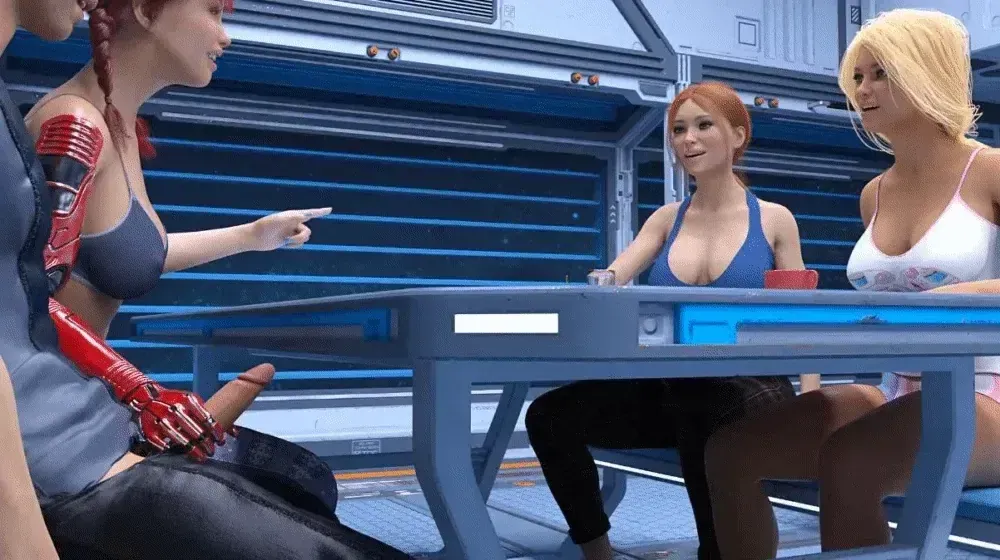





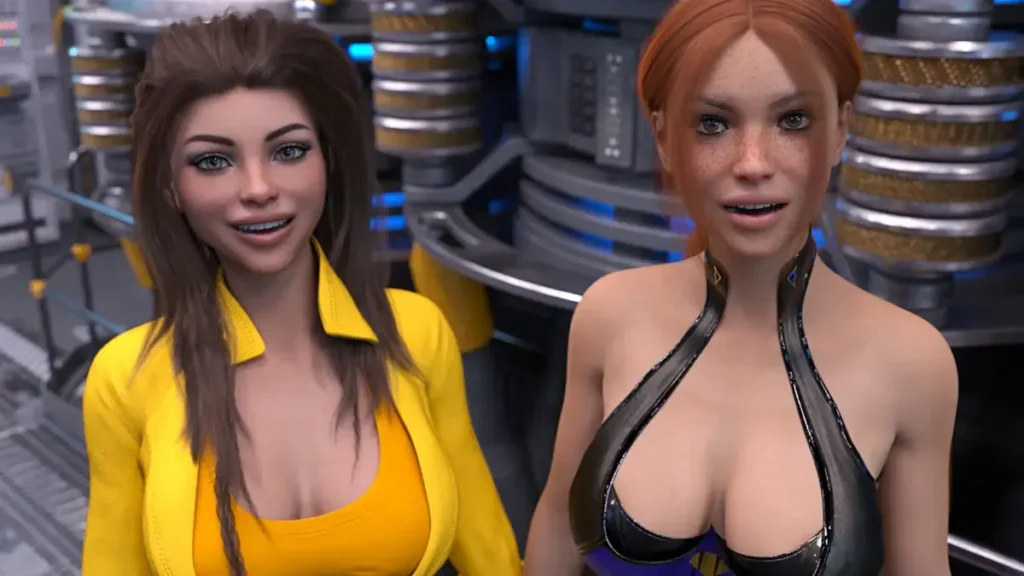

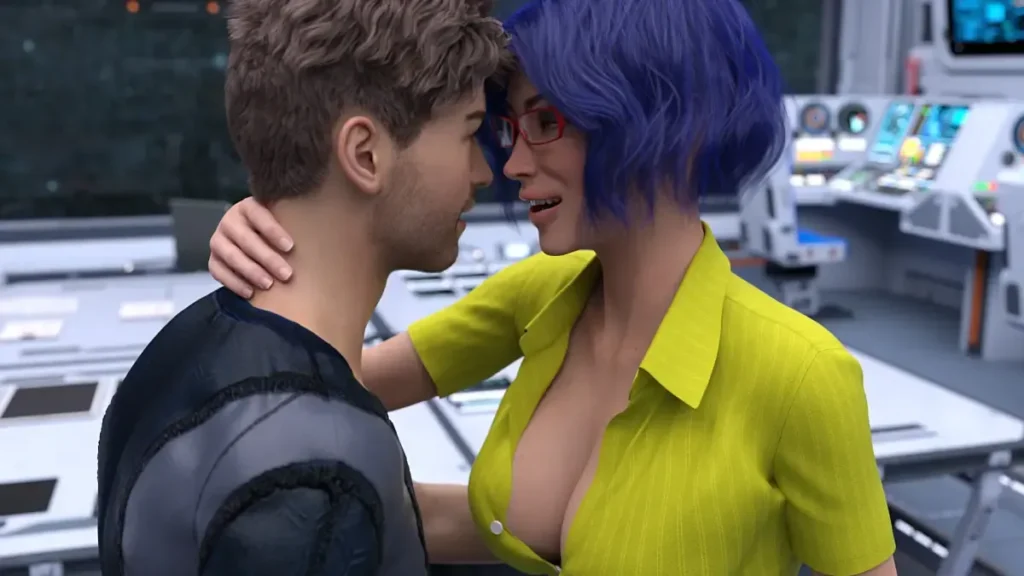


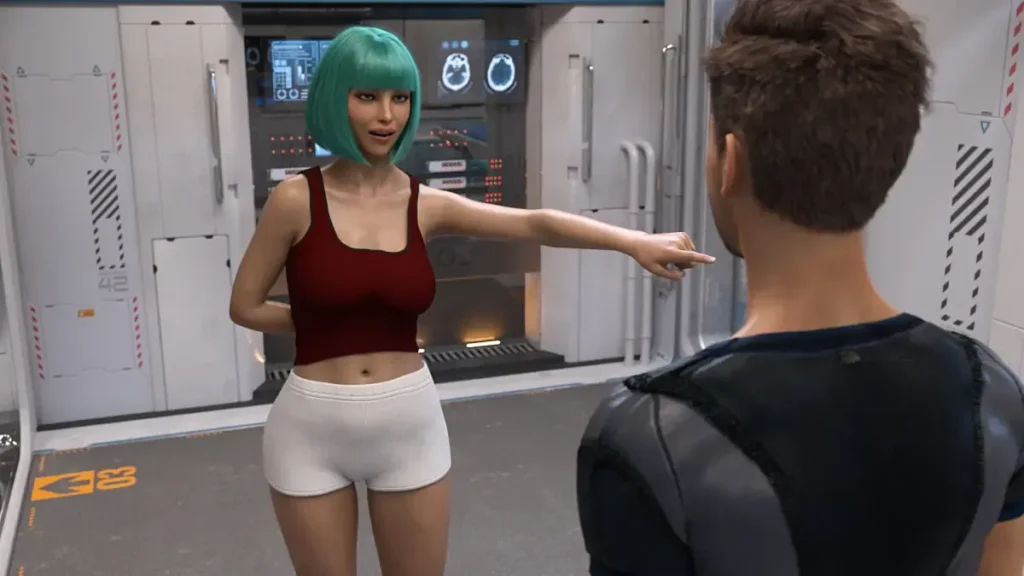


Stranded in Space review
Explore gameplay mechanics, story depth, and what makes this narrative adventure stand out
Stranded in Space has captured the attention of narrative-driven game enthusiasts with its unique blend of storytelling, character development, and interactive gameplay. This space-themed adventure combines dialogue-heavy narrative elements with puzzle mechanics and relationship-building systems. Whether you’re considering diving into this game or looking to enhance your current playthrough, understanding its core features, gameplay loop, and what players appreciate most will help you get the most from your experience. This guide explores everything you need to know about Stranded in Space.
Gameplay Mechanics and Core Features of Stranded in Space
Ever feel like you’re just clicking through dialogue in a narrative game, waiting for the next cutscene? 🙋♂️ I’ve been there. You start a story-driven space adventure full of promise, only to find your interaction limited to picking conversation topics. It can leave you feeling more like a spectator than a pilot of your own destiny.
That’s exactly why the Stranded in Space gameplay mechanics hit me like a breath of fresh, recycled spaceship air. 🚀 This isn’t just a visual novel dressed in a spacesuit; it’s a deeply interactive experience where your brain and your social skills are just as important as any laser blast. The core loop brilliantly blends interactive storytelling space adventure with tangible, engaging tasks that make you feel truly embedded in the daily grind and drama of surviving the cosmos.
Let’s break down exactly how it works, from the puzzles that test your logic to the conversations that test your empathy.
Understanding the Puzzle and Mini-Game System
At the heart of keeping your derelict ship, the Odyssey, functioning are the puzzle mini-games Stranded in Space is built upon. Forget generic slider puzzles or arbitrary matching games. Every single task is diagetic—it exists in the world and makes sense for your character to be doing. You’re not solving a puzzle for the sake of it; you’re rerouting power conduits to restore gravity, or carefully aligning comms arrays to catch a distress signal.
What’s brilliant is the variety and integration. One moment you’re engaged in a delicate wiring mini-game to fix the hydroponics bay, directly impacting your food supply. The next, you might be decrypting a corrupted data log that reveals a crucial piece of backstory. The Stranded in Space gameplay mechanics ensure these aren’t isolated challenges. Success often grants you resources (spare parts, data fragments) or unlocks new dialogue system narrative game options with your crewmates, like being able to offer a fix for their personal problems.
The complexity scales beautifully with the narrative. Early puzzles teach you the basics of the ship’s systems. By mid-game, you’re managing multi-stage repairs that require items gathered from earlier explorations and conversations. I remember one particular evening play session where I spent 20 minutes on a complex reactor-stabilizing puzzle. The tension was real because failing meant a narrative consequence—a power surge that damaged a character’s personal project, affecting my character relationship progression with them. The stakes give every action weight.
Pro Tip: Don’t rush the puzzles. Take a breath and examine all the parts. Often, the game subtly teaches you the logic you need in earlier, simpler tasks. That weird symbol matching game in Chapter 2? It’s the foundation for deciphering alien tech in Chapter 6!
Now, let’s talk about a standout feature: the photo hunt mechanics game elements. Scattered throughout the ship and on planetary excursions are specific, often hauntingly beautiful, scenes or objects you can photograph with your in-game tool. This isn’t a simple “find the hidden pixel” game. These photos serve multiple purposes: cataloging flora and fauna for the science database, recording evidence of strange phenomena, or capturing a poignant moment for a crewmate’s personal quest. Finding them requires careful observation of your environment and sometimes revisiting areas after story events have changed them. It’s a peaceful, contemplative layer of interaction that perfectly complements the more logic-based puzzles.
Here’s a breakdown of how some key puzzle types play out:
| Mini-Game Type | In-World Purpose | Typical Difficulty | Player Feedback |
|---|---|---|---|
| Circuit Routing | Repairing ship systems, hacking panels | Medium – High | Praised for its logical, satisfying “click.” Feels authentically technical. |
| Spectrum Alignment (Photo Hunt) | Scanning anomalies, identifying materials | Low – Medium | Loved for its immersive, exploratory feel. A nice break from high-pressure tasks. |
| Data Decryption & Log Assembly | Uncovering story secrets, repairing corrupted logs | Variable | Highly rated for directly tying puzzle success to narrative payoff. |
| Environmental Tinkering | Jury-rigging solutions, creating tools from scrap | Medium | Appreciated for fostering creativity and using found items meaningfully. |
Dialogue-Driven Narrative Structure
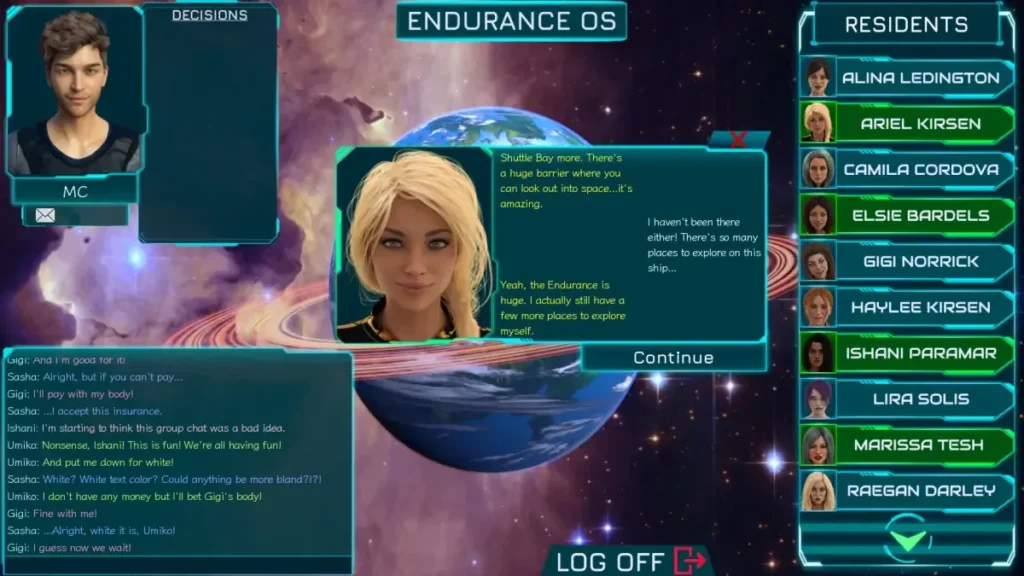
If the puzzles are the brain of the operation, the dialogue system narrative game is the beating heart. This is where Stranded in Space truly evolves the conversation (pun intended 😉). While it shares DNA with greats like Mass Effect in its use of a dialogue wheel and consequential choices, it carves its own path through its pacing and integration with the Stranded in Space daily gameplay loop.
The loop typically goes like this: You wake up in your quarters. You have a main objective—maybe “Investigate the Strange Signal Near Asteroids B12-4.” But first, you walk the halls. You check in on your engineer, Aris, in the mess hall. Initiating a chat doesn’t just present a list of questions. You might have to use an item you found, reference a puzzle you solved (like noting the hydroponics fix you completed), or choose a tone based on your previous interactions. This dialogue system narrative game is deeply contextual.
Here’s a specific example of that daily structure in action:
Morning: You start by visiting the bridge. A chat with the captain reveals concerns about morale. She suggests checking on the botanist, Leo, who’s been secluded.
Mid-Day: You head to the greenhouse (which you recently repaired via a puzzle). Leo is frustrated with a mutated plant. The conversation offers choices: a logical approach (suggest a nutrient adjustment), an empathetic one (relate to his frustration), or a dismissive one. Your choice influences his mood and opens or closes future interactions.
Evening: At the communal dinner, the crew interacts differently based on your earlier actions. Leo might sit alone if you were dismissive, or he might share a breakthrough if you helped, triggering new story threads for tomorrow.
This structure means you’re never just “doing story” or “doing gameplay.” They are woven together. A conversation might give you the clue needed to solve a puzzle (e.g., Leo mentioning a faulty valve sequence), and solving that puzzle unlocks a new, more trusting layer of dialogue with him, fueling character relationship progression. The pacing of story reveals is masterful. Major plot bombshells are often earned, delivered after a tough puzzle or a series of meaningful conversations, making them feel deserved and impactful.
Character Relationship and Progression Systems
This brings us to the soul of the experience: bonding with your fellow castaways. The character relationship progression in Stranded in Space is some of the most organic I’ve encountered. There’s no simple “Paragon/Renegade” meter or a generic “Like” score. Instead, your standing with each character is built on a foundation of demonstrated competency and personal empathy.
Each crew member has core values: The Captain values decisiveness and duty. The Engineer respects practical skill and ingenuity. The Scientist prizes curiosity and careful observation. Your actions—both in puzzles and in dialogue—signal what you value. Helping the Engineer fix the FTL drive with a clever workaround will impress her more than any amount of supportive chatter. Conversely, showing genuine curiosity about the Scientist’s theories will open doors that pure technical prowess won’t.
This system creates beautiful, complex relationships. You can be the Captain’s trusted right hand while having a tense, competitive relationship with the Engineer because you often choose diplomatic solutions over technical quick-fixes. These dynamics directly alter the interactive storytelling space adventure. A character who trusts you might reveal a personal secret that becomes a major side quest. One who distrusts you might withhold vital information during a crisis, making a later puzzle much harder or forcing you to find an alternative path.
The progression is visualized not with numbers, but through subtle changes: new conversation topics, access to their personal quarters, offers of help with your own projects, and shifts in their body language and tone during scenes. It makes every interaction feel significant. I once spent three in-game days carefully mending fences with a character I’d initially annoyed, and the moment they finally offered me a cup of their carefully hoarded coffee felt like a greater victory than any boss fight.
In conclusion, the Stranded in Space gameplay mechanics form a miraculous, self-reinforcing ecosystem. The puzzle mini-games Stranded in Space provides make you feel capable and smart. The dialogue system narrative game makes you feel connected and responsible. The character relationship progression makes you feel invested in the lives of your crew. And it’s all tied together by the Stranded in Space daily gameplay loop, which structures this interactive storytelling space adventure into a rhythm that feels both believably mundane and consistently compelling. This isn’t just a game you play; it’s a fragile, human community in the void that you slowly, thoughtfully, and personally help to thrive.
Stranded in Space delivers a distinctive experience that prioritizes narrative depth and character interaction over fast-paced action. The game’s strength lies in its writing quality, consistent tone, and the way it balances dialogue-heavy storytelling with interactive puzzle elements. While some players find the mini-game complexity occasionally challenging, others appreciate the variety and the standout photo hunt mechanics. The daily progression system creates a structured gameplay loop that encourages regular engagement, and the relationship-building aspects add meaningful replay value. If you enjoy character-driven narratives, don’t mind spending significant time in dialogue sequences, and appreciate puzzle-solving as part of your gaming experience, Stranded in Space offers a compelling adventure worth exploring. The game’s self-aware humor and literary quality set it apart in its genre, making it a worthwhile choice for players seeking something beyond conventional gameplay mechanics.