The Silver Lining
Play The Silver Lining
The Silver Lining Screenshots

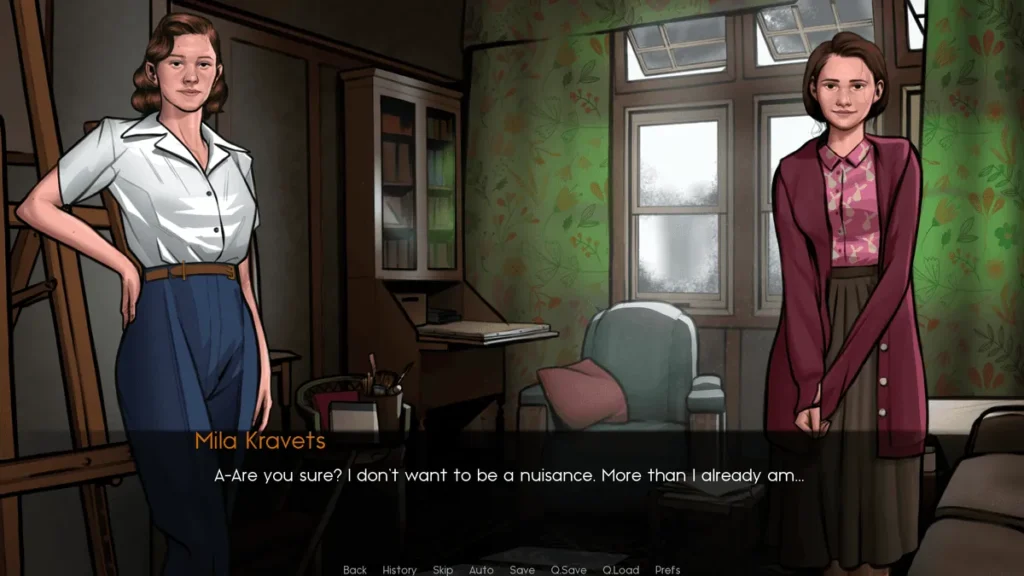

The Silver Lining review
Story, mechanics and real player experiences with The Silver Lining
The Silver Lining is an adult‑themed game that blends visual storytelling, character relationships, and interactive choices into one moody, atmospheric experience. If you have seen scattered discussions and short previews but still feel unsure what The Silver Lining is really about, you are not alone. When I first discovered it, I had a lot of questions: Is the story any good, how much control do you have over choices, and does the game respect your time? In this guide, I’ll walk you through the core elements of The Silver Lining, share personal impressions from actual play sessions, and help you decide whether this game fits what you are looking for.
What Is The Silver Lining Game All About?
So, you’ve heard the name The Silver Lining floating around and you’re wondering what all the fuss is about. Is it just another adult game, or is there something more to it? Let’s pull back the curtain. At its heart, The Silver Lining is a narrative-focused, adult visual novel game that prioritizes story, character, and emotional consequence over quick thrills. Think of it less as a game you “play” in a traditional sense and more as an interactive story you experience, where your choices subtly reshape relationships and outcomes.
If you’re coming from fast-paced action titles, this will feel different—intentionally so. The focus here is on the slow burn, the unspoken tension, and the quiet drama of everyday life interlaced with mature, intimate moments. This The Silver Lining game overview will break down exactly what you’re stepping into, the unique vibe it cultivates, and who will get the most out of its poignant storytelling. 🎭
The Silver Lining Game Overview and Main Premise
Let’s set the scene without giving away the farm. The Silver Lining places you in the shoes of a protagonist who returns to a place from their past—often a catalyst for deep storytelling. You’re not a superhero or a fantasy chosen one; you’re a relatable person navigating a complex web of renewed relationships, old regrets, and new possibilities.
The core gameplay loop is built on exploration, dialogue, and choice. You’ll spend time in beautifully rendered environments, talking to a cast of detailed characters, each with their own secrets, desires, and flaws. The “adult” content in this story driven adult game isn’t the centerpiece; it’s a component of the narrative. Sensual scenes arise from the story and the depth of the connections you foster, serving as emotional payoffs rather than isolated events. They are suggestive and integral to character development, not the sole objective.
The central dilemma often revolves around connection versus self-preservation, past trauma versus future hope. Will you help a character confront their demons, or will you, perhaps selfishly, pursue a fleeting comfort? The game’s title itself is a clue: it’s about searching for hope and positivity—that “silver lining”—amidst life’s messy, sometimes gray, realities. This is what The Silver Lining game is about: finding light in the shadows of complicated lives.
I remember my first hour with the game vividly. I booted it up expecting a certain… pace. Instead, I was met with a melancholic, almost haunting soundtrack and a slow, deliberate opening sequence focused on the protagonist driving through the rain, lost in thought. The first major choice wasn’t about romance or passion; it was about how to respond to a simple, loaded question from an old friend that carried the weight of years of silence. In that moment, I realized The Silver Lining was playing a different game entirely. It was building an atmosphere, not just a scenario. It was asking me to care about the “why” before the “what.” That first hour recalibrated my expectations and hooked me with its promise of substance.
Core Themes and Tone: What Experience Does It Aim For?
Forget jump scares and adrenaline rushes. The Silver Lining aims for the gut and the heart. The dominant tone is one of intimate realism blended with a slight, pervasive melancholy. It’s emotionally textured, often dealing with themes of loneliness, the baggage of history, the struggle for authenticity, and the fragile beginnings of trust.
This is a slow-burn experience. Relationships develop over time through conversations, shared moments, and small acts of kindness (or betrayal). The game isn’t afraid to let scenes breathe, allowing for awkward silences, hesitant glances, and the kind of meaningful dialogue that reveals character layer by layer. The mature elements, when they occur, feel earned—a culmination of emotional build-up rather than a scheduled event. This approach creates a powerful sense of intimacy that many faster-paced titles lack. 🔥
The balance is key. You’ll have moments of lighthearted banter and genuine connection that make the darker, more sensual moments feel significant and grounded. The game’s pacing might feel deliberate, but that’s by design. It’s inviting you to lean in, to read between the lines, and to invest in the characters as people. If you enjoy stories where moral ambiguity reigns and choices rarely have a simple “good” or “bad” answer, you’ll feel right at home.
My Insight: The genius of The Silver Lining is in its patience. It trusts that its characters and writing are strong enough to hold your attention, making the eventual emotional—and yes, romantic—payoffs incredibly satisfying. It’s a game for players who want to feel the story, not just click through it.
Based on its core tone and mechanics, here’s a quick breakdown of who will likely love The Silver Lining and who might want to temper their expectations:
-
This game is PERFECT for you if…
- You value character development and story above all else. 📖
- You enjoy making dialogue choices that feel meaningful and impact relationships.
- You prefer a slow, atmospheric build-up with a strong sense of place and mood.
- You appreciate mature themes and content that serve a larger narrative purpose.
- You don’t mind—and even enjoy—a pensive, sometimes melancholic vibe.
-
You might feel disappointed if…
- You are seeking constant action, quick puzzles, or arcade-like gameplay.
- Your primary goal is frequent, explicit content without narrative context.
- You have a strong aversion to slower pacing and introspective storytelling.
- You prefer power fantasies and clear-cut hero/villain dynamics.
How The Silver Lining Compares to Other Adult Narrative Games
The landscape of adult visual novel games is vast, ranging from pure titillation to serious drama. So where does The Silver Lining sit? In my experience, it firmly plants its flag in the “story-first” camp. This comparison isn’t about saying one approach is better, but about setting clear expectations.
Many adult games treat their narrative as a frame to hang intimate scenes upon. The Silver Lining flips that script. Here, the story is the skeleton, muscle, and nervous system; the mature moments are like the skin—a visible and sensitive part of the whole, but dependent on everything beneath it. The intimate scenes are fewer and further between than in some other titles, but they carry more narrative weight and emotional resonance because of the careful groundwork laid beforehand.
Think of it this way: some games are like popcorn thrillers, while The Silver Lining is more like an indie drama. It’s less about shock value or fantasy fulfillment and more about emotional authenticity and consequence. Your choices in dialogue and action genuinely affect how characters perceive you, which paths open up, and ultimately, which endings you reach. This focus on branching narrative with consequence is its strongest link to high-quality story driven adult games, but it executes it with a uniquely somber and intimate tone.
To make this clearer, let’s look at a simple comparison of focus:
| Feature | Common in Many Adult Games | The Silver Lining’s Approach |
|---|---|---|
| Primary Driver | Often gratification & fantasy | Character drama & emotional consequence |
| Pacing of Relationships | Can be rapid, direct | Slow-burn, build-up focused |
| Role of Mature Content | Frequent central goal | Infrequent narrative payoff |
| Story Complexity | Often simple or episodic | Interconnected, character-driven arcs |
| Overall Tone | Often lighthearted, comedic, or fantastical | Realistic, intimate, with melancholy undertones |
This table isn’t a judgment, but a map. If your tastes align more with the right column, you’ve found your game. The Silver Lining appeals to the player who finishes a compelling TV drama and immediately wants to discuss the characters’ motivations, not just the plot twists. It’s for those who believe the journey and the emotional investment are the real rewards.
So, is The Silver Lining worth playing? My final take in this chapter is a resounding “yes”—but with a specific audience in mind. If you clicked on this The Silver Lining game review looking for a deep, emotionally engaging story where your choices matter and characters feel real, then this experience is absolutely worth your time. You’ll find a story driven adult game that respects your intelligence and rewards your emotional investment. However, if your gaming diet consists primarily of action and you have zero patience for dialogue-heavy introspection, you might find the pacing challenging.
Ultimately, The Silver Lining stands out by committing fully to its vision of adult storytelling. It’s a poignant, carefully crafted experience that proves this genre can deliver narrative depth and powerful emotional resonance that stays with you long after you’ve closed the game. 🕯️✨
Spending time with The Silver Lining showed me that it is less about instant thrills and more about living through an intimate, story‑driven experience. Its focus on character‑based storytelling, meaningful choices, and a carefully crafted atmosphere makes it stand out from many other adult‑oriented titles. If you enjoy reading, paying attention to subtle dialogue cues, and slowly getting to know a cast of flawed but interesting characters, The Silver Lining can be a rewarding way to unwind. Take your time with it, follow the paths that feel right for you, and treat it as an interactive story you sink into rather than something you rush through.